
Reflecting on the 2025 Advocacy Summit in Sacramento

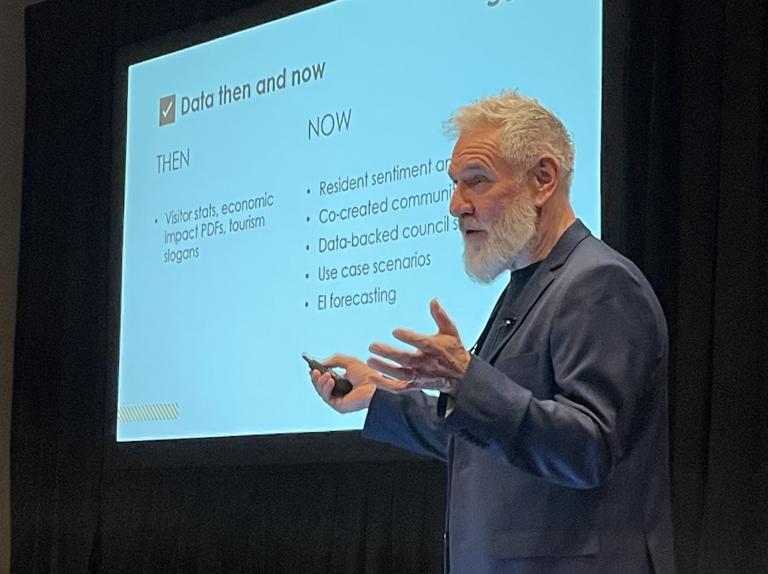
Nearly 200 destination leaders gathered at DI’s Advocacy Summit in Sacramento to tackle complexity: funding pressures, engagement fatigue, AI disruption, and the growing expectation that destination organizations act as civic integrators rather than solely marketers.
The 2025 Destinations International Advocacy Summit in Sacramento was a welcome reset for our industry. Nearly 200 destination leaders gathered to tackle complexity: funding pressures, engagement fatigue, AI disruption, and the growing expectation that destination organizations act as civic integrators rather than solely marketers. The tone was clear: advocacy is no longer a function; it’s a leadership discipline tied to governance, alignment, and long-term value.
What stood out most was the shift from defending tourism to embedding tourism in civic systems. From Helsinki’s data-driven alignment tools to Los Angeles’ integration of UN Sustainable Development Goals into its tourism master plan, the examples shared were as inspiring as they were practical. The message? If we want to lead differently, we must build differently.
Key Takeaways
Whether you attended or not, here are the essentials you need to know:
- Advocacy = Leadership Competency
Use the Advocacy Leadership Imperative to audit governance structures and align KPIs to community outcomes.
Link: https://destinationsinternational.org/reports/destinationnext-futures-study
- Resident Sentiment Is an Operating Metric
The Resident Sentiment Study shows perception isn’t just a metric—it’s a mandate. Move from annual checks to continuous tracking and action loops.
Link: https://destinationsinternational.org/resident-sentiment-study
- Reputation Is Strategic Capital
The Destination Reputation Study emphasizes transparency and accountability as drivers of resilience, especially for meetings and events.
Link: https://destinationsinternational.org/destination-reputation
- Tools for Resilience Are Here—Use Them
Start with DI’s Tools Symposium outputs and DestinationNEXT frameworks to shape funding resilience and stakeholder alignment.
Links: https://learningcenter.destinationsinternational.org
The Future of Tourism
For 2026 and beyond, advocacy-focused roles should prioritize:
- AI as Governance & Infrastructure
AI isn’t just for marketing—it’s shaping decision-making and transparency. Build AI literacy into leadership plans now.
Links: 2025 Executive Insights Report
- Identity Alignment Across Systems
Tourism cannot operate in isolation. Align destination identity with civic priorities and sustainability goals using frameworks like the UN SDGs.
Links:
https://tourism.lacity.gov/city-los-angeles-tourism-master-plan
https://www.untourism.int/global/publication/tourism-and-sustainable-development-goals-journey-2030
- Operationalize Sustainability as Activation
Move beyond metrics to projects. Gothenburg’s new UN Sustainable Lifestyle Hub is a model for cross-sector collaboration.
Links:
https://goteborgco.se/en/2025/09/gothenburg-selected-as-new-global-un-hub-for-sustainable-lifestyles/
https://unpartnerships.un.org/press-center/gothenburg-named-new-un-sustainable-lifestyle-hub
Wrap-Up
Kudos to Destinations International for curating a summit that sparked real dialogue and action—and to every attendee who showed up with humility and intent. Sacramento was the right city at the right time. The work continues.

Tourism industry futurist David Peacock is the Senior Advisor to the Future Tourism Group at Simpleview, the global leader in software and services for digital destination marketing. Peacock followed up two decades of international success as a senior executive in television and electronic media by accepting a challenge to spearhead the creation of a groundbreaking tourism development incubator (RTO4.ca) in Ontario, Canada in 2011. He joined Simpleview in January 2020. He has a track record for growing and strengthening tourism economies, as well as working with Destinations International and DestinationNEXT. Peacock describes the Future Tourism Group as a vehicle for industry leaders to prioritize issues and participate in creating and beta-testing tools and processes to address them, much of the work mirroring strategies he developed for creating destination management networks where visitors, resident and businesses alike are partners in sustainable travel that builds great places to live that are great places to visit.
Share Your Expertise
Want Your Organization Featured Next?
The article you just read was written by someone like you. Submit a blog, case study or social media feature and get your organization's story in front of the DI community.
Join 50+ destination leaders who've shared their stories on the DI Blog