
Caribbean Tourism in 2026: From Recovery to Resilience

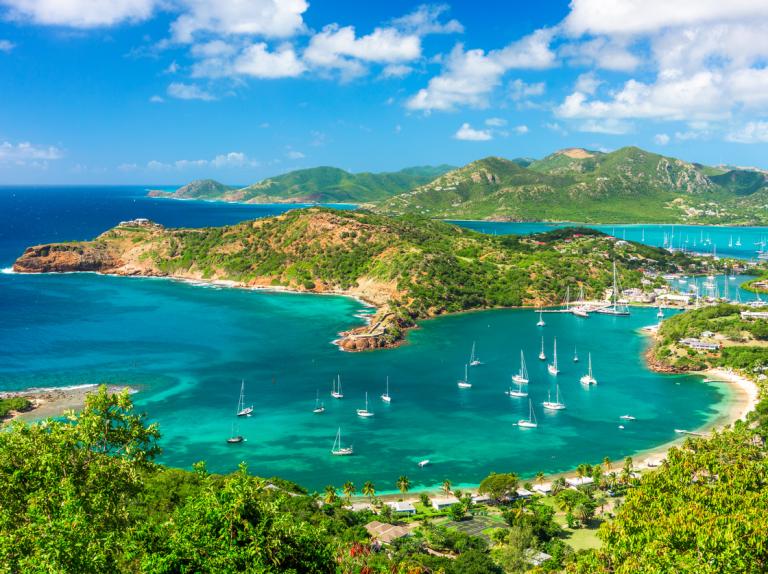
Caribbean tourism is transitioning from rapid recovery to a phase focused on performance optimization and resilience rather than volume growth. This shift requires destinations to understand traveler profiles and diversify demand sources to sustain competitiveness.
After several years of rapid post‑pandemic recovery, Caribbean tourism has rebounded - signaling that the recovery phase is over. The region is entering a more mature phase: one where performance optimization, demand diversification, and resilience matter more than sheer volume growth.
Recent travel data shows that overseas demand to the Caribbean continues to grow, but at a slower pace than in previous years. This moderation marks a turning point: destinations can no longer rely on broad demand momentum alone. Instead, competitiveness increasingly depends on understanding who is traveling, when they travel, and what factors influence their decisions.
Diversification Is becoming a strategic imperative
One of the most important shifts shaping Caribbean tourism is the growing role of Latin American source markets. While some traditional long-haul markets show signs of slowing, demand from Latin America continues to grow steadily, across both leisure and premium travel segments.
This expansion is particularly valuable for destinations seeking to:
- Reduce exposure to a narrow set of source markets
- Attract higher-value travelers
- Support shoulder and low-season demand
The result is a more balanced and resilient demand mix – one that is less dependent on peak holiday periods alone.
Smaller destinations are gaining momentum
Recent performance trends also show a subtle but important shift within the region. While top-tier Caribbean destinations remain stable, smaller and second-tier destinations are driving a growing share of new demand.
This momentum reflects travelers’ increasing appetite for destinations that offer:
- A distinct identity (whether nature, adventure, culture, or wellness)
- Less crowding and congestion
- More personalized, experience-led travel
- Destinations that clearly define what makes them different — and connect that to the right travelers — are seeing stronger returns, even from a smaller base.
Traveler personas matter more than ever
There is no single “Caribbean traveler.” Demand is shaped by a wide mix of group sizes, ages, and motivations — from solo digital nomads and couples to families and large groups traveling for celebrations or events.
Data shows that:
- Couples and small groups continue to drive romantic and wellness travel
- Families prioritize destinations with space, flexibility, and connectivity
- Large groups represent a smaller but highly valuable segment tied to villas, events, and destination weddings
Destinations that align accommodation, experiences, and messaging with the travelers they attract are better positioned to convert demand efficiently – and sustain it over time.
Connectivity shapes opportunity
Air connectivity across the Caribbean continues to evolve. While overall flight capacity is growing, airlines are consolidating routes and focusing on frequency through major hubs.
For smaller destinations, intra-Caribbean connectivity and hub access are critical. Strong regional links not only support island-hopping itineraries but also help destinations capture demand indirectly through larger entry points — especially as markets such as South America grow in importance.
Tackling seasonality through smarter targeting
Seasonality is still one of the Caribbean’s defining challenges. Peak periods continue to drive most of the year’s performance, while shoulder and low seasons offer untapped opportunity.
But some destinations are beginning to show what is possible. Those with more diverse source markets, strong regional connectivity, and clear positioning are seeing steadier demand throughout the year.
South American travelers play a major role in driving off-peak travel, making them a key audience for destinations looking to smooth demand and reduce seasonality.
Events as a lever for demand and length of stay
Major cultural and sporting events are increasingly important drivers of demand for Caribbean destinations. Beyond boosting short-term visitation, well-positioned events can:
- Encourage more intra-regional travel
- Extend average length of stay
- Attract higher-value and repeat visitors
- Help differentiate destinations beyond sun-and-beach tourism
When supported by early promotion and targeted marketing, events can meaningfully influence when people travel, how long they stay, and how they experience the destination.
The road ahead
In a more competitive and choice-rich travel environment, understanding demand is only the first step. Destinations that succeed will be those that:
- Use data to anticipate shifts in demand
- Focus on high-potential traveler segments
- Diversify markets and smooth demand across seasons
- Better align connectivity, experiences, and promotional efforts
To turn insight into impact, destinations need the right tools to act on data. Amadeus’ travel intelligence and advertising solutions enable destination management organizations and tourism boards to identify high potential travelers, understand demand shifts as they happen, and activate targeted, data driven campaigns across digital channels. By connecting deep traveler insights with precision marketing capabilities, Amadeus helps destinations not only attract the right audiences, but influence when and how they travel—supporting more sustainable growth, stronger competitiveness, and year round demand.
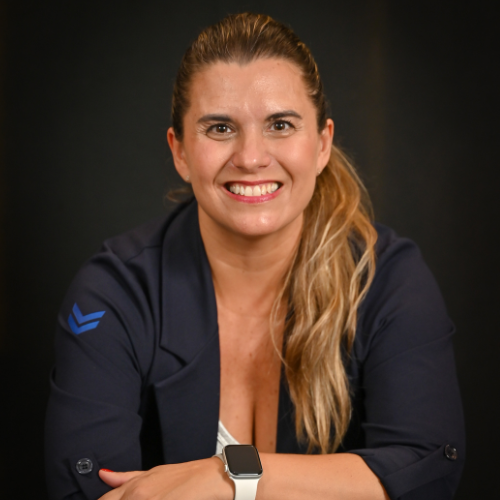
Sol Freixa is a global commercial leader passionate about travel, innovation, and building high-impact partnerships that connect brands, destinations, and people. With deep experience in media and tourism, Sol is known for driving creative, people-centered strategies and leading empowered, international teams. She is a curious traveler and a champion of inclusive, forward-thinking leaders.
Share Your Expertise
Want Your Organization Featured Next?
The article you just read was written by someone like you. Submit a blog, case study or social media feature and get your organization's story in front of the DI community.
Join 50+ destination leaders who've shared their stories on the DI Blog