
Stewardship Is Upstream of Marketing

Brian Applegarth shares how destination organizations can contribute to community flourishing.
Before we invite people to visit a place, we should understand what makes it worth visiting—and what it needs to remain a good place to live.
Stewardship sits upstream of marketing.
Marketing helps people discover a destination. Stewardship helps us understand and care for the place behind that invitation.
Both matter. But if we are unclear about what deserves care, what are we asking the world to experience?
Destinations International's Community Vitality Wheel recognizes that the value of destination organizations extends beyond attracting visitors. It connects the visitor economy to the well-being of the communities that welcome them.
The Wheel already recognizes place stewardship and investment as part of a destination organization's work. The opportunity now is to deepen that responsibility into an evidence-informed stewardship practice that helps shape decisions before marketing begins.
A Place Is More Than a Destination
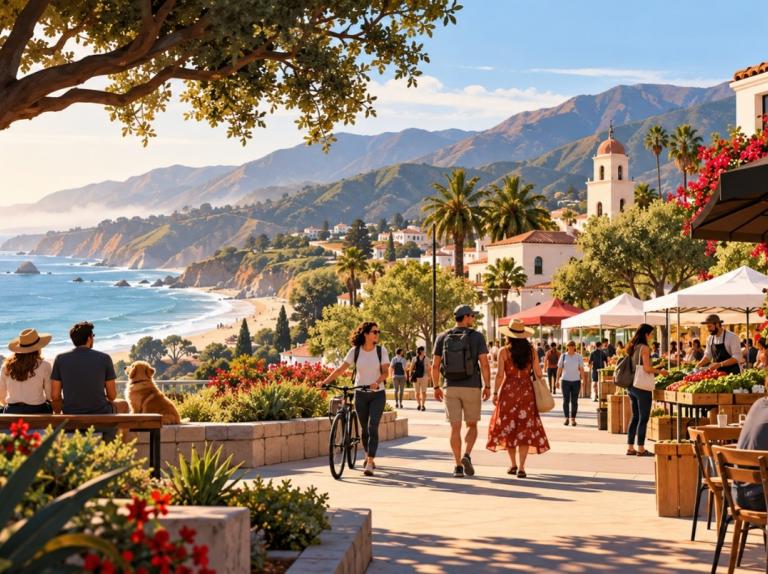
Imagine a coastal town known for seafood, beaches, and beautiful waterfront hotels. Visitors see a destination. Residents experience a home. Workers see livelihoods. The sea, shoreline, and surrounding ecosystems sustain all of it.
I find it useful to see the same place through three connected perspectives.
Natural Place is the land, water, climate, and living systems that sustain life.
Living Place is where people belong, build relationships, share culture, and create community.
Market Place is where people work, trade, operate businesses, and participate in the visitor economy.
These are not three separate places. They are three ways of seeing one place.
A successful tourism campaign may bring more customers to the waterfront. That can strengthen local livelihoods. It might also increase pressure on roads, public space, workers, or coastal habitats.
Growth and strain can happen together. Stewardship asks us to see both, without treating either as the whole story.
The Experience Ecosystem
I think of these connections as an Experience Ecosystem: visitors, residents, workers, businesses, culture, nature, infrastructure, and the relationships among them.
No destination organization controls this ecosystem. Yet its choices can influence how the system works and how its effects are understood.
A hotel creates jobs and uses local resources. A guide shares stories and knowledge. A restaurant supports suppliers and introduces visitors to local food. Transportation connects people while shaping daily life.
Visitors are part of this system, too.
A visitor is, in a meaningful sense, a temporary resident of a place.
They use shared spaces and services. They meet local people. They contribute spending, curiosity, energy, and sometimes pressure.
They receive something from the place, and they leave something behind.
This relationship runs both ways. The Experience Ecosystem shapes the place, and the place shapes the experiences it can offer. Neither stands still.
Community flourishing therefore cannot be considered separately from the visitor economy. Visitors are part of the equation, not people standing outside it.

Five Domains, One Living Place
At Applegarth Intelligence, I use five connected domains to help keep the questions human and grounded:
People: Are health, dignity, safety, access, and well-being supported?
Community: Are belonging, participation, trust, and cultural continuity strengthened?
Nature: Are the living systems that sustain the place cared for?
Livelihood: Does economic activity support meaningful work and local prosperity?
Future: Do today's choices protect opportunities for those who come next?
One decision can touch every domain.
Better public transportation, for example, may help visitors move around, make daily life easier for residents, support workers, and reduce environmental pressure.
The five domains are not a scorecard or a claim that one organization is responsible for everything.
They help us notice connections and ask better questions.
From Good Intentions to Stewardship Intelligence
Words such as sustainability, inclusion, and regeneration express important aspirations. But they do not tell us what is happening in a particular place.
That takes evidence, listening, and human judgment.
I call this Stewardship Intelligence: a human-led way of understanding places and relationships so our decisions can be more aware, principled, and responsible.
An initial Place Reading does not try to explain everything. It is a bounded, honest look at relevant conditions, including what we know and what remains uncertain.
Three questions guide the interpretation:
Vitality: What is healthy or working well?
Strain: What is under pressure or at risk?
Relationship: How are these conditions connected, and who is affected?
Those observations lead to two more questions:
Responsibility: What deserves our care and commitment?
Possibility: What might improve if we steward it well?
This is where information becomes useful. It helps people have better conversations about what matters, rather than simply creating another report.
Stewardship calls for awareness in what we understand, integrity in how we act, and effectiveness demonstrated through credible contributions to community flourishing.
The Power of Naming What Matters
Consider that coastal waterfront again. A Place Reading might reveal strong tourism demand and community pride, alongside declining public access and stress on the shoreline.
Those are observations, not yet a commitment.
The commitment comes when people with a legitimate role in the place deliberate and name something they will continue to steward—for example, a working waterfront that supports local livelihoods, ecological health, and public access.
I call that a Named Stewardship Priority.
It is not a slogan, a campaign, or a consultant's recommendation. It is a deliberately chosen responsibility, informed by evidence and revisited as the place changes.
The destination organization may not manage the coastline or make every decision. But it can help convene the right people, strengthen understanding, align its own work, and support continued learning.
That is stewardship in practice.
Making Contribution Visible
Visitor spending, hotel performance, and jobs matter. They help explain the economic value of tourism. But they cannot, by themselves, tell us whether a community is flourishing.
What did the destination organization help strengthen? Which relationships improved? Did its work support more accessible experiences, healthier shared spaces, meaningful livelihoods, or a stronger sense of belonging?
These are questions about contribution, not claims of sole credit.
A destination organization should be able to show where it participated, what changed, what remains uncertain, and what it learned.
That makes its value clearer to residents, partners, boards, and those deciding where to invest.
Continued trust grows from credible contribution, not from a better promotional claim.
New Capabilities, Familiar Stewardship Questions
Artificial intelligence can now help people gather and interpret information at extraordinary speed. Robotics brings intelligent systems into physical settings, including hotels and other visitor-facing spaces.
The possibilities are exciting. So are the questions.
A hotel robot may help a worker, improve accessibility, or change the nature of human hospitality. A data center may create opportunity while raising questions about land, energy, water, and local benefit.
We have seen similar patterns whenever unfamiliar industries enter a place: new possibilities arrive alongside concerns about trust, resources, jobs, and community impacts.
The technologies differ. The need to understand vitality, strain, and relationships remains.
Not all place intelligence lives online. Much of it is carried in relationships, traditions, memory, and lived experience.
As digital intelligence grows, this knowledge deserves to be stewarded with more care, not less.
Stewardship Is a Continuing Practice
A destination is not a product we finish building. It is a living place that keeps changing.
The goal is not to reject growth or technology. It is to ask what they serve and whether our work contributes to community flourishing: quality of life, belonging, meaningful livelihoods, healthy environments, and a future worth sharing.
Stewardship is upstream of marketing because understanding and responsibility should inform what we choose to promote.
Read the place. Name what matters. Steward it. Learn. Return.
Then invite the world to visit with a clearer sense of what makes the place worth caring for.

Brian Applegarth is the founder of Applegarth Intelligence, a research and interpretive intelligence firm focused on destination stewardship, visitor economy systems, and community vitality. He led the Cannabis & Hemp Task Force for Destinations International and is the author of Learning Under Pressure.
Share Your Expertise
Want Your Organization Featured Next?
The article you just read was written by someone like you. Submit a blog, case study or social media feature and get your organization's story in front of the DI community.
Join 50+ destination leaders who've shared their stories on the DI Blog