

Sacramento, California
A Community Impact Story
Connecting Culture and Tourism: Visit Sacramento’s Approach to Community Engagement
Social Impact Framework: Community Representation and Engagement
What was the issue you were trying to address?
Visit Sacramento sought to address a critical question: How can tourism and hospitality better connect with the diverse arts, culture, heritage, and communities of the region to drive incremental visitation and support our creative economy?
There was an opportunity to strengthen connections between the tourism industry and Sacramento’s creative and cultural communities while ensuring more equitable representation of the region’s diverse neighborhoods, artists, and cultural assets.
What were the stated objectives of this initiative?
We developed a multi-faceted Cultural Tourism program designed to:
- Forge innovative arts and culture collaborations across sectors to bolster tourism.
- Educate artists, arts organizations, and the creative community about Sacramento tourism.
- Actively engage with diverse neighborhoods and communities.
- Leverage large events to promote neighborhoods to visitors for economic benefit.
- Elevate Sacramento’s arts and culture community to bring more equitable representation.
- Build tourism champions across the region.
Success meant creating stronger connections between tourism and culture, increasing engagement with community partners, and elevating the visibility of Sacramento’s diverse cultural assets.
What were the specific metrics you used to measure the success of your efforts?
We measured success through both quantitative and qualitative indicators, including social media metrics, attendance at our two Cultural Tourism Symposiums (2023 and 2025), improved recognition of Visit Sacramento as the region’s tourism driver, overall destination sentiment, and sentiment in key geographic and community areas.
These measures helped assess both community engagement and the broader impact of the initiative on perceptions of Sacramento as a destination.
What were the specific outcomes and results of your efforts?
Several initiatives and programs emerged from this work.
First, we created a Cultural Tourism Task Force to help guide efforts and shape the first Cultural Tourism Symposium in 2023. Our second Symposium in 2026 surpassed participation levels from the inaugural event.
Quotes from attendees of the Cultural Tourism Symposium include:
- “Having an independent curator who delivering relevant and inspiring content to attendees specifically seeking one-on-one conversations was so appreciated.”
- “The energy and passion were exciting – as the presenters shared with others their unique insights about how business intersects with tourism and art. "
- "The main stage content lit a fire under my team – and as a small non-profit it can be difficult for us to explain the value of tourism. This session felt so validating."
- “I left energized and inspired and already planning to return next year and bring my colleagues to the program.”
We engaged deeply with three diverse community groups, with work underway in a fourth community. In particular, we produced a Black Sacramento video as part of our Cultural Tourism and Culture & Community programs.
We launched a Cultural Tourism newsletter and webinar series, produced a Neighborhood Video Series with an accompanying visual map.
Significantly, this work contributed to developing trusted relationships with community members and positive relationships with civic officials.
What other best practices or key lessons can you share?
A key factor in our Cultural Tourism Program’s was partnering with Richard Peterson of the U.S. Cultural & Heritage Marketing Council. Richard helped guide the program and assisted in building an advisory committee with representation from key members of the creative community.
We learned the importance of investing time in relationship-building before launching community-facing projects. Prior to producing the Neighborhood Video Series, our team worked with community leaders to make introductions and gain a deeper understanding of the people and stories within each neighborhood. City council members genuinely appreciated us representing districts engaged through the initiative.
Community members should be viewed as partners, not promotional tools. This experience reinforced that destination organizations must work alongside communities, and especially those not traditionally involved in tourism, to build trust.
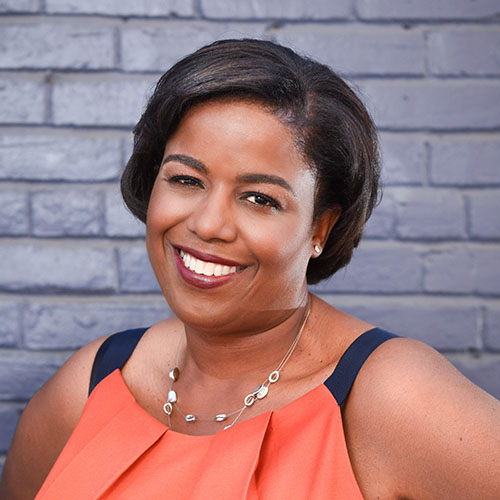
Sonya Bradley serves as the Chief Inclusion & Community Engagement Officer for Visit Sacramento. Her role integrates Sacramento’s tourism assets, inclusive practices, and community outreach to drive visitors for economic growth. She is responsible for sustaining the organization’s commitment to diversity, equity and inclusion, strengthening Visit Sacramento’s connection with the greater Sacramento community, and enhancing the visitor experience.
Sonya serves on various committees and boards, including Destinations International, the California Travel Association, and the One West Tourism Alliance.
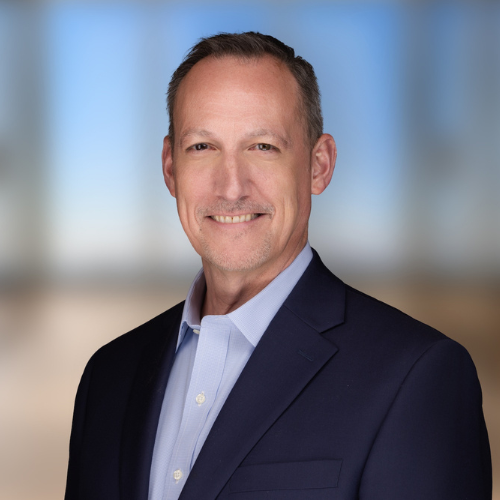
Richard Peterson is President & CEO of the U.S. Cultural & Heritage Marketing Council and an internationally recognized leader in cultural heritage tourism, destination strategy, and community engagement. He advises destinations, cultural institutions, and communities on strategies connecting people, culture, place, and the creative economy.
As a thought leader, Peterson has contributed his expertise through boards and committees with U.S. Travel Association, Americans for the Arts, California Travel Association, SKAL International, and other tourism and cultural organizations.