From Conference to Lasting Rural Health Impact

Ireland’s 2022 World Rural Health Conference demonstrated how business events can drive lasting social and community impact. Through collaboration, advocacy and the Limerick Declaration, the conference helped advance rural healthcare policy, education and workforce development in Ireland while establishing a model for measuring and sustaining event legacy.
Destination Profile
About Ireland
Ireland is a world-class destination. It is defined by its deep 5,000-year history, lush landscapes, and winding rivers. The authority actively organizes the country into four vibrant regional experiences: Wild Atlantic Way, Ireland's Ancient East, Ireland's Hidden Heartlands, and Dublin, the capital city.
Destination Organization

Geographical Location
Ireland is an island in the North Atlantic Ocean in Northwestern Europe.
Destination Population Size
5,458,600
Destination Challenge
Hosted by the University of Limerick, the World Rural Health Conference 2022 united global healthcare professionals to explore and address rural health challenges. Held from 17th-20th June 2022, the World Rural Health Conference focused on the theme ‘Improving Health, Empowering Communities.’ This annual event, created by the World Organization of Family Doctors (WONCA), gathers experts from fields such as health, science, engineering, arts and NGOs to tackle rural healthcare issues.
Ireland, with one of the highest rural populations in Europe, was the perfect host destination for this event. The event showcased strong leadership from the Conference Chair, Professor Liam Glynn, and the organising committee at the University of Limerick and the Shannon Region Convention and Sports Bureau. Organised by the General Practice discipline at the University of Limerick’s School of Medicine, in collaboration with WONCA, the Irish College of General Practitioners and the Rural, Island and Dispensing Doctors of Ireland, the conference promoted many important rural health initiatives.
The Project
“No Doctor No Village’ was a grassroots campaign that led to the Limerick Declaration. The objective of the campaign was to ensure that rural healthcare became a political priority. The campaign was a testament to the power of community activism. The campaigners, driven by a deep commitment to rural healthcare, managed to hold power and influence the Select Committee for Health.
The Limerick Declaration emphasised the importance of accessible healthcare in rural communities, highlighting both its economic and social benefits. It underscored the interconnectedness of rural services and the resilience of these communities. The National Committee for Rural Health, chaired by a dedicated leader, played a pivotal role in this process.
The journey towards the creation of the Limerick Declaration was a year-long process involving extensive input from various stakeholders. The declaration aimed to address the unique challenges faced by rural healthcare systems and was finalised just in time for the World Organization of Family Doctors (WONCA) gathering in 2022. The intention was to shape the declaration during the conference, and the final version was presented for endorsement and later underwent peer review. The conference supported Rural WONCA’S long term impact intention – to improve rural healthcare access, through the expected outcomes.
Results and Key Performance Indicators (KPIs)
The World Rural Health Conference had a strong impact on rural healthcare in Ireland. Here are some of the key highlights and outcomes:
Established Ireland’s first ICGP National Standing Committee for Rural General Practice.
- Appointed the first ever Professor of Rural General Practice at the University of Limerick.
- Created a novel Rural GP Fellowship programme, supported by a €1.4 million investment from the Health Service Executive (HSE).
- Developed a new Rural Teaching Hub at University of Limerick’s School of Medicine, allowing students to spend 25% of their clinical training in rural communities.
- Published the “Limerick Declaration on Rural Healthcare”, a blueprint for improving high-quality healthcare in rural and remote areas nationally and internationally.
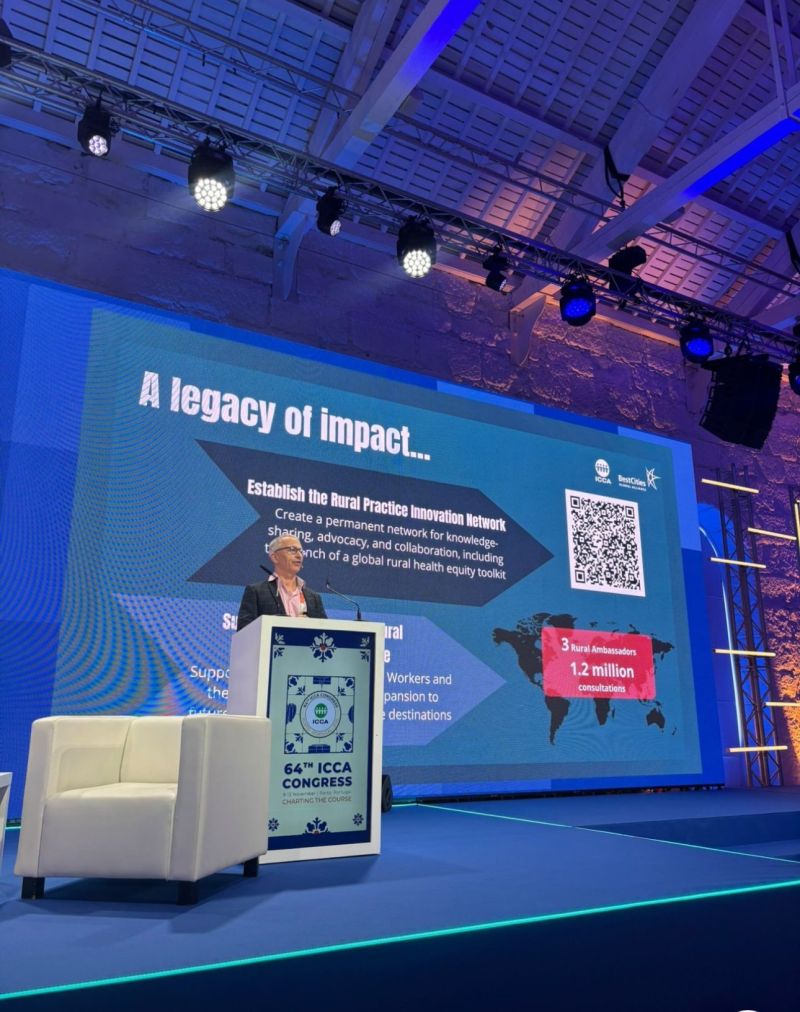
- Hosted the WHO global meeting on the development of a Rural Health Equity toolkit.
- International Medical Graduate Programme: Added 150 doctors to rural healthcare in 2 years, doubling GP growth (1.5% to 3.9%).
Advocacy led to new locum support for 239 rural GPs, starting 2025. - Rural Seeds Network: Students/doctors collaborated with experienced professionals, with 50 students & 5 Ukrainian refugee doctors attending/presenting at the conference.
- Rural Ambassador Programme: Provided scholarships to doctors from lower income countries who contributed to Limerick Declaration & presented at the conference.
Conclusion
Limerick University has emerged as a global leader in rural health education and research. By developing and implementing the Limerick Declaration, the university has positioned Ireland as an intellectual capital for rural health. The toolkit created as part of the declaration is now being applied internationally, demonstrating its global relevance and impact.
The recruitment and relocation of 150 healthcare professionals through the International Medical Graduate (IMG) program have significantly improved healthcare services in rural communities. This initiative has fostered a circular economy of best-in-class rural healthcare, benefiting both the community and the electorate. The declaration has made rural health—and by extension, rural development—a central political issue, ensuring continued focus and investment in these critical areas.
In conclusion, the Limerick Declaration on Rural Healthcare stands as a beacon of hope and progress for rural communities worldwide. It underscores the importance of accessible healthcare, the power of grassroots activism, and the role of academic institutions in driving meaningful change. The journey from the global financial crisis to the establishment of Limerick as an intellectual capital for rural health is a testament to the resilience and determination of those committed to improving rural healthcare.
Overall, by using the conference as a platform, Rural WONCA 2022 exemplifies how business events can be leveraged to enhance health education, drive economic development, and create social impact.
Lessons Learned
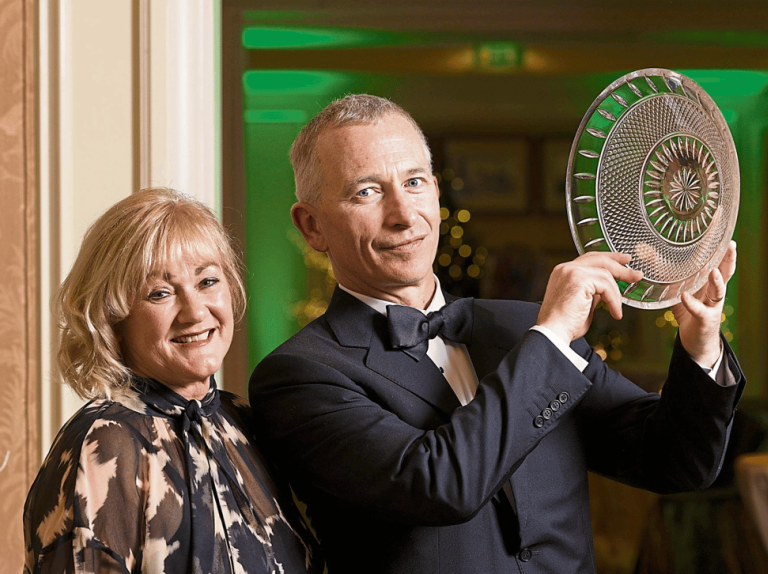
WONCA 2022 marked a significant milestone in Ireland's business events sector as the first conference to be recognised for its wider impact through Fáilte Ireland's Conference Ambassador Recognition Awards. The event demonstrated that international conferences can create meaningful and measurable long-term outcomes that extend far beyond immediate delegate spend and economic value.
The conference became an early benchmark for best practice in conference impact and legacy, providing valuable insights that were shared across the business events industry. Its success played a key role in shaping and informing the development of Fáilte Ireland's Association Conference Impact & Legacy Framework, helping to embed a more strategic approach to measuring the broader benefits of international conferences.
WONCA 2022 also gained international recognition through the BestCities Incredible Impacts Main Grant, highlighting Ireland's leadership in leveraging business events as a catalyst for lasting social, professional, and community impact.

Actionable Advice
WONCA 2022 showed the importance of engaging stakeholders early and developing a clear impact and legacy strategy from the outset. By working closely with conference organisers, local ambassadors, community groups, policymakers, and industry partners, destinations can identify opportunities to deliver meaningful outcomes that extend well beyond the event itself.
It is also essential to measure and document these outcomes. The success of WONCA 2022 was not only in the impact achieved, but in the ability to demonstrate that impact through evidence and storytelling. Capturing tangible results helps build support among stakeholders, inspires future event organisers, and provides valuable case studies for the wider industry. Perhaps most importantly, destinations need to be patient. Some of the most significant outcomes emerge in the years that follow through new partnerships, policy developments, research collaborations, professional networks, and community initiatives that can be traced back to connections made during the event. While it is important to plan for impact from the beginning, it is equally important to recognise that legacy unfolds over time and requires ongoing engagement to understand and capture its full value.
Top Takeaways
1. Collaboration is the foundation of lasting impact
The conference's success was driven by strong partnerships between the conference organisers, local ambassadors, healthcare professionals, policymakers, community groups, and Fáilte Ireland. Meaningful legacy outcomes are rarely achieved by one organisation alone. They emerge when diverse stakeholders work towards a shared vision.
2. Legacy takes time, so be patient
Some of the most important outcomes of WONCA 2022 were not immediately visible after the event. New collaborations, knowledge exchange, advocacy initiatives, and sector developments continued to emerge in the years that followed. Legacy is not a moment in time but a journey, and destinations should take a long-term view when measuring the success of their conferences.
Ireland
Ireland is a world-class destination. It is defined by its deep 5,000-year history, lush landscapes, and winding rivers. The authority actively organizes the country into four vibrant regional experiences: Wild Atlantic Way, Ireland's Ancient East, Ireland's Hidden Heartlands, and Dublin, the capital city.
53.347577233135, -6.266313845206

Paul heads up the Commercial development division at Fáilte Ireland (The National Tourism Development Authority), the State Agency responsible for guiding and supporting the sustainable development of tourism in Ireland.
He leads the Fáilte Ireland teams responsible for Business Events (Meet in Ireland), Dublin Convention Bureau, Leisure Business Development, Golf Tourism (Golf in Ireland) and trade FAMs & Platforms. Paul also provides advocacy and leadership to Ireland’s Regional Convention Bureau as well as international platforms such as Convene4Climtae, The Iceberg and Destinations International European Stewardship Council. Paul is a champion for the sustainable development of tourism and an advocate for the potential impact and legacy from hosting business events for communities, destinations and sectors.
With over 25 years of tourism experience in the private and public sectors, having worked with companies right across the industry from aviation, visitor attractions, regional development, convention bureaux and a regional development agency prior to joining the leadership team of Fáilte Ireland and taking over a national role in 2013.
He lives in Co. Clare on the west coast of Ireland with his wife and 2 daughters. His passions apart from family life, include, golf, sport, laughter and great food & wine.