
6 Tested Tactics for Future-Ready Visitor Services

Learn how destination organizations are evolving their visitor services. This blog shares top peer-led practices, collaboration strategies and visitor center innovations that are reshaping how professionals connect with travelers and residents worldwide.
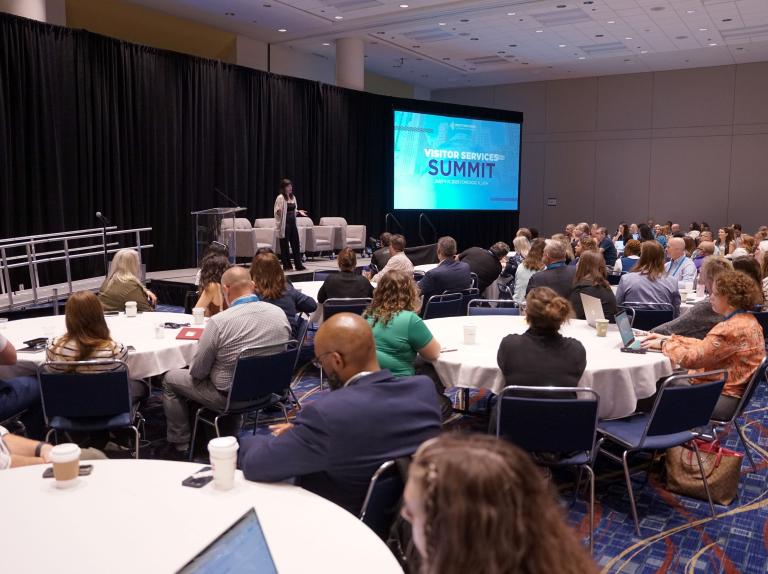
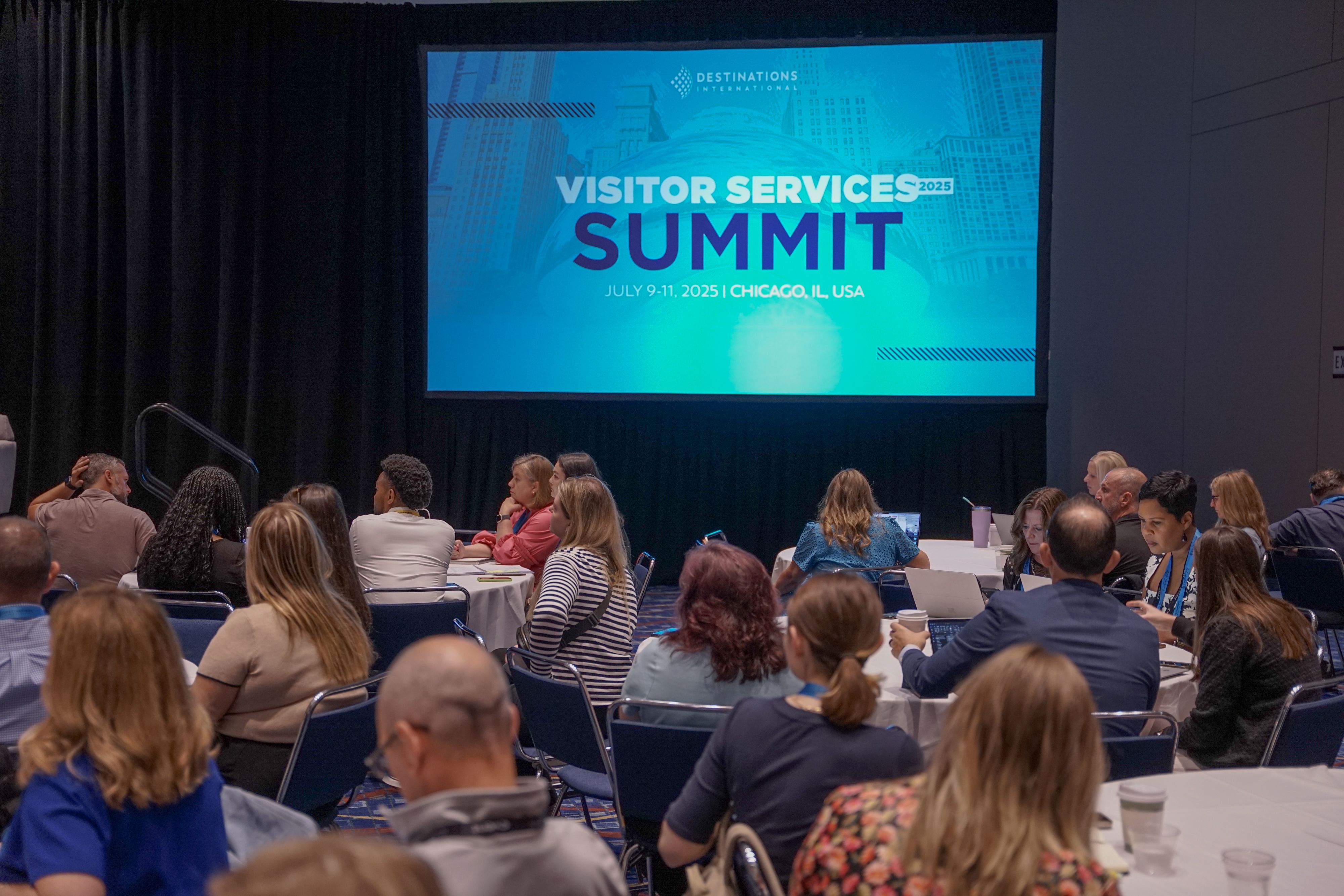
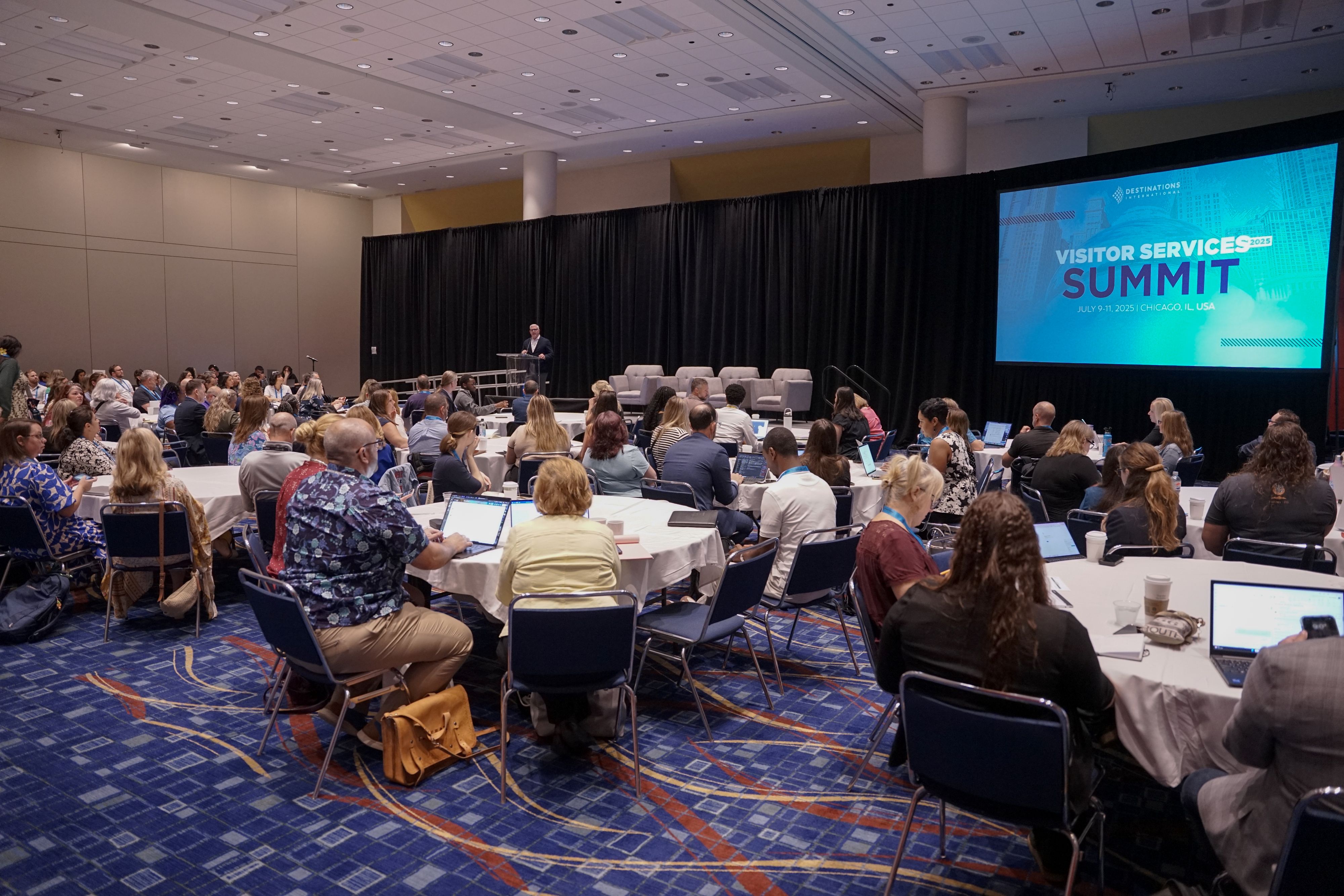
At DI’s 2025 Visitor Services Summit, more than 140 professionals gathered to share real-world innovations, community-first strategies and peer-tested solutions to elevate visitor services. With attendees representing destination organizations of all sizes, this annual gathering is known for its hands-on workshops, small destination case studies and the widely praised “60 in 60” peer learning session.
These insights come directly from the professionals doing the work—those managing centers, supporting local business activation, training volunteers and engaging with travelers and residents every day.
Why does this matter? Visitor services play a central role in a destination’s brand and economic resilience. According to a 2024 report by Longwoods International, 83% of travelers say their experience with frontline staff strongly influences their impression of a destination. A U.S. Travel Association report found that traveler spending in the U.S. exceeded $1.3 trillion in 2024, directly supporting more than 15 million jobs in our communities.
This blog captures the six most important takeaways, ideas and innovations shaping the future of visitor services. Each strategy offers three tactical questions to help you prepare your visitor services team for future readiness.
1. Repositioning Visitor Services as Brand and Community Connectors
Today’s visitor services professionals are curators of place, bridging operational insights with emotional connections. Whether at a center desk, in a mobile unit or through digital engagement, they are:
- Capturing valuable data on visitor behavior and sentiment
- Influencing the destination's storytelling through real-time feedback
- Serving as trusted voices for residents and travelers
"We are the soul behind the data," said one attendee during a peer exchange session.
Destination Example: In Juneau, Alaska, a volunteer greeter program has thrived for more than 40 years. These trained locals serve as ambassadors who enrich visitor experiences with authentic, lived stories.
Ask Yourself:
- Are your visitor services staff actively capturing visitor insights?
- How are you using their observations to inform your storytelling?
- Is your team trained to see themselves as destination ambassadors?
2. Collaboration Between Visitor Services and Marketing
Closer collaboration between visitor services and marketing teams is helping destinations shape more accurate and resonant messaging. Frontline professionals have firsthand access to what travelers are asking about, what they are concerned about and what they are celebrating.
"Marketing doesn’t have to know everything—use us," shared Discover Albany, who noted their success came from building a culture of cross-department communication.
Destination Example: Visit Hagerstown launched a collaborative dashboard that connects front desk feedback with marketing content planning, helping align messages with real-time traveler needs.
Ask Yourself:
- How often does your marketing team connect with visitor services?
- Do you have a system to track and share visitor FAQs or pain points?
- Could marketing shadow a day at the center next month?
Small Destination Idea: Start a monthly “cross-function lunch” between visitor services and marketing to share trends and insights informally.
3. Visitor Centers as Active Community Hubs
Leading organizations are reimagining their physical spaces to be more engaging, inclusive and community-centered. Instead of static brochures, these visitor centers are:
- Hosting local artist exhibitions and rotating maker markets
- Providing sensory kits and accessibility tools for all guests
- Integrating tech like holograms, VR reels, and interactive displays
Destination Example: Visit Norfolk activated a successful Mermaid Market featuring local artisans and transformed part of their visitor center into a mural space celebrating local identity.
Ask Yourself:
- Is your center inviting to both residents and visitors?
- What partnerships could you form with local artists or businesses?
- Are your offerings visually and experientially dynamic?
Small Destination Idea: Host a quarterly “resident night” with local musicians or artisans to invite community ownership of the space.
4. Tracking and Applying Visitor Data
Destinations are refining how they collect and act on visitor insights. From QR code tracking to CRM integration and structured visitor surveys, teams are:
- Using insights from visitor services to inform campaigns
- Pairing stories with data to convey impact
- Tracking feedback on accessibility and experience satisfaction
As one attendee said, "If you’re not measuring it, your story gets told by someone else."
Destination Example: Discover Albany piloted an AI tool that tracks visitor inquiries and feedback, providing monthly reports that help adjust seasonal messaging.
Ask Yourself:
- What types of data are you collecting at your center?
- Are visitor comments and patterns shared with leadership or partners?
- How do you measure visitor satisfaction beyond volume?
5. Fostering Welcoming Environments and Prioritizing Accessibility
Creating a welcoming environment is foundational to a high-functioning visitor services strategy. Tactics shared include:
- Offering multilingual materials and staff support
- Designing for neurodivergent visitors with sensory-friendly resources
- Reframing staff roles with language like “ambassadors” and “directors of first impressions” to reflect pride and purpose
"We train for access, but we also design for dignity," one participant said.
Destination Example: Clark-Floyd Counties in Indiana installed adult changing stations and trained staff in neurodivergence awareness, making their center more inclusive for visitors of all abilities.
Ask Yourself:
- Have you audited your accessibility offerings recently?
- Do your frontline staff reflect the diversity of your community?
- Is inclusion a performance metric in your team goals?
Small Destination Idea: Partner with a local disability advocacy group to offer staff training and co-design new accessibility tools.
6. Micro and Mobile Strategies That Scale
Many small and mid-sized destinations are proving that creative, low-cost models work. Examples shared:
- Pop-ups in barbershops, breweries and community centers
- Mobile visitor vans and info stations that show up at festivals, parks or transit hubs
- Digital tools like wayfinding kiosks (with caution noted on tech overuse)
Destination Example: Visit Rapid City partnered with its local chamber to co-manage visitor services inside a co-branded space, reducing cost while increasing community integration.
Ask Yourself:
- Could your center be mobile, seasonal, or shared with a partner?
- How can you bring visitor services into more community spaces?
- What’s one small activation you could pilot this month?
Small Destination Idea: Equip a team member with a branded pop-up table and QR code signage to appear at community markets or festivals.
What You Can Do Next:
- Audit your Visitor Services touchpoints. Are they inclusive, interactive, and insight-rich?
- Invite your marketing team to spend a shift in your center. Cross-department understanding leads to better storytelling.
- Test one new activation. Try something small: a playlist curated by local artists, a pop-up station at a community event, or a QR pilot linked to a seasonal itinerary.
Hungry for more Visitor Services content? Join our private Visitor Services group in the Online Community and save the date for the 2026 Visitor Services Summit on July 21 in Portland, Oregon, USA.

As the Director of Content Development at Destinations International, Alyssa Poulin leads the charge in crafting compelling narratives that elevate the role of destination organizations and their impact on communities. With over twelve years of experience in the travel industry, Alyssa shapes content strategy, curates thought leadership, and transforms complex industry insights into accessible, engaging resources for destination professionals worldwide.
Submit Your Thought Leadership

Share your thought leadership with the Destinations International team! Learn how to submit a case study, blog or other piece of content to DI.