
5 Takeaways From New U.S. Traveler Survey Data

New research from Trove Tourism Development Advisors and Atlas Obscura surveyed U.S. travelers on how they choose destinations, spend, and plan. The findings show travelers reward authenticity over cost, plan far in advance, and will go out of their way for something real.
What actually gets a traveler to skip the famous spot for someplace new? Trove Tourism Development Advisors and Atlas Obscura set out to answer that, surveying U.S. travelers in July 2026 about how they choose destinations, decide what to spend on, and time their trips. Here are five findings that carry direct implications for how destinations market.
1. Lead With Discovery, Not Deals
Ninety-five percent of respondents choose a lesser-known place over a popular hub at least sometimes, and half do so often or always. When asked what drives that choice, authenticity and local character (65%) and the sense of discovery (62%) far outrank lower cost (25%). Travelers in this survey aren't trading down to save money. They're trading up for a real sense of place.
For destination marketers, this changes what belongs at the top of your marketing. Lead with the story, the oddity, or the specific thing a visitor can't get anywhere else, rather than a discount or a generic scenic shot. This audience already wants the overlooked. The job is to be what they find.
2. Treat the Drive as Part of the Story
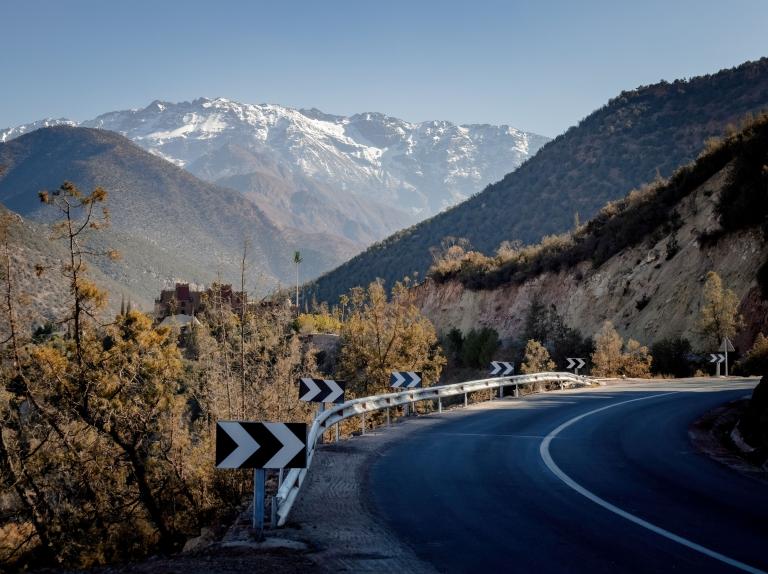
Reaching a lesser-known place takes real effort, and travelers say they'll make it. Fifty-eight percent will drive two or more hours from a hub, and 27% will go four-plus. Seventy-eight percent would extend a trip by a day or more to reach a place worth the detour, and only 1.5% flatly would not.
Distance works in your favor when you frame it as part of the discovery rather than a barrier to it. DMOs should highlight the scenic route, the towns along the way, and a single concrete payoff at the end. The 20% of travelers who say "maybe" to extending a trip make up the swing audience a compelling reason to go can convert.
3. Reach Travelers Long Before They Book
Two-thirds of respondents start considering a trip three to eleven months out, and more than 80% report planning at least half of their spending in advance. Only 4% travel mostly packaged or guided, and just 11% lean on a travel advisor to plan. This is a self-directed audience with a long, winnable window before any booking happens.
That window rewards early inspiration. If your splurge-worthy experiences aren't discoverable and bookable months ahead, you're competing for a budget that's already spoken for by the time the trip starts.
4. Earn a Spot in the Content Travelers Trust
When asked what sparks discovery of a new destination, travelers point to articles and editorial pieces (34%) well ahead of social media (6%), search engines (7%), or AI tools, which barely register. Travel websites and blogs (69%) and personal recommendations (54%) also outpace AI tools (20%) and travel advisors (11%) as planning resources.
Planning still runs on people and editorial, not automation. Earning a place in the content and communities travelers already trust does more work than paid social alone, and it's worth treating that placement as a priority channel rather than a nice-to-have.
5. Charge for Authenticity
Ninety-four percent of travelers will pay a premium for a genuinely local experience over a generic one, and 35% will pay 25% or more. Only 6% say they'd pay nothing extra. At the same time, this is a value-conscious audience day to day: 71% spend between $50 and $200 per person on the ground, excluding flights and lodging.
Authenticity functions as a real pricing lever here, not just a brand value. The findings recommend that DMOs package signature local experiences, standout food, local goods, and bespoke excursions at a premium instead of discounting to compete on price.
Read the Full Report for More
These five findings cover how travelers choose destinations, plan their trips, and decide what's worth paying for. The full report goes further, diving deeper into the minds of 689 Atlas Obscura readers and site visitors, including what actually gets travelers to book off-season (hint: it's rarely the discount) and how global instability is reshaping where demand flows, even when trips don't get cancelled outright. If you're setting strategy for the year ahead, both sections are worth the read.