Welcoming All: Oregon’s Collaborative Approach to Accessible Tourism


This case study explores how Oregon became the first "Accessibility Verified" State by Wheel the World. Featuring insights from Kevin Wright and Kate Sappell of Travel Oregon, Arica Sears of the Oregon Coast Visitors Association (OCVA) and Karen Martwick of Travel Portland, it highlights shared values, grassroots momentum and collaborative partnerships that have positioned Oregon as a national leader in accessibility. Their experiences offer inspiration and practical lessons for destinations seeking to strengthen their own accessibility strategies.
Destination Profile
About Travel Oregon
The Oregon Tourism Commission, dba_ Travel Oregon_, is a semi-independent state agency whose mission is to inspire travel that uplifts Oregon communities. Collaborating with stakeholders to align as stewards of Oregon, we work to optimize economic opportunity, advance equity and respect the ecosystems, cultures and places that make Oregon… Oregon. Travel Oregon aims to improve Oregonians’ quality of life by strengthening the economic impacts of the state’s $14.7 billion tourism industry, which employs more than 130,000 Oregonians.
Destination Organization

Geographical Location
Travel Oregon offices are in Portland, OR.
Destination Population Size
Latest census puts us at about 4.27 million
Organization Budget Size
45 million/year
When we gather for Destinations International’s 2026 Annual Convention in Portland, Oregon, we will be doing more than attending sessions and connecting with industry peers and friends: we will be stepping into a place actively redefining what it means to be a welcoming destination.
In 2025, Oregon became the first "Accessibility Verified" State by Wheel the World, providing detailed accessibility information for more than 800 businesses across the state. This designation marks a significant milestone in accessible travel. Reliable information is the most common barrier for travelers with disabilities and their caregivers, a global market valued at $2.6 trillion USD. Oregon’s achievement is the outcome of years of reflection, community collaboration and coordinated action at both local and state levels.
This case study explores how Oregon reached this milestone. Featuring insights from Kevin Wright and Kate Sappell of Travel Oregon, Arica Sears of the Oregon Coast Visitors Association (OCVA) and Karen Martwick of Travel Portland, it highlights shared values, grassroots momentum and collaborative partnerships that have positioned Oregon as a national leader in accessibility. Their experiences offer inspiration and practical lessons for destinations seeking to strengthen their own accessibility strategies.
Setting the Stage: Origins of Oregon’s Accessibility Journey
Oregon’s journey toward accessibility began, like many transformative efforts do, with reflection, personal experience and an emerging sense of possibility.
At the state level, this reflection came in the wake of COVID-19. The pandemic created space for Travel Oregon to pause and ask: What kind of impact do we want to make long-term? That question led to the launch of a 10-year strategic plan in 2023, grounded in four pillars: equity, experience, economy and environment. Accessibility quickly emerged as a natural thread connecting them all.
For Kevin Wright, Vice President of Brand Stewardship at Travel Oregon, accessibility is both valuable for visitors and deeply personal. He recalls the challenges of helping his mother navigate the world in a wheelchair. He also remembers a crowded soccer game where his young son, overwhelmed by the noise, found relief through sensory tools provided by guest services. "These moments were emotional and enlightening,” Kevin said. “They showed me the impact accessibility can have.”
Meanwhile, on the Oregon Coast, accessibility momentum was building from the ground up. Local self-advocacy and disability-led organizations had long been advocating for improved access, though their work was not yet connected to tourism.
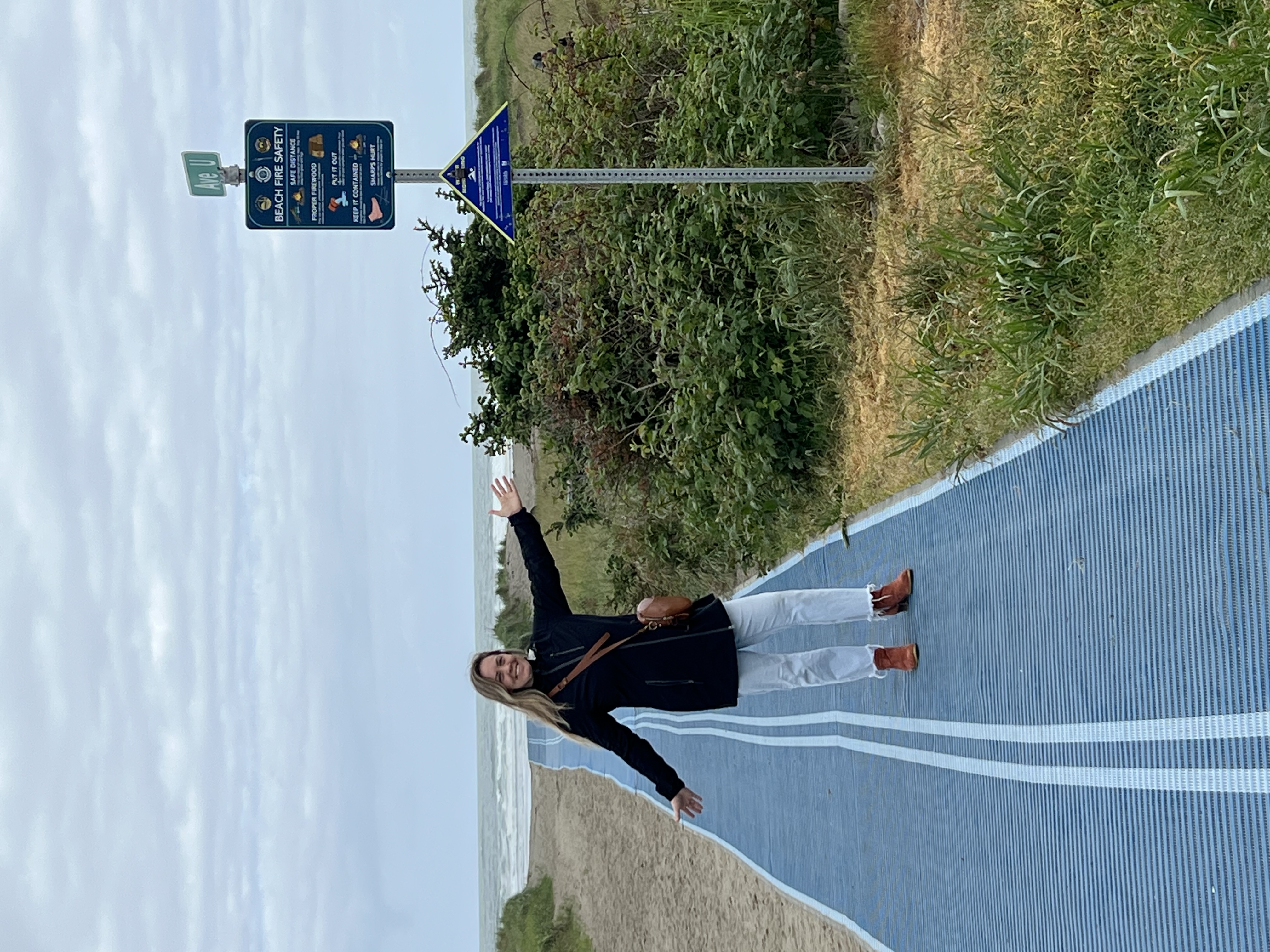
In 2020, OCVA first encountered accessible beach infrastructure through Mobi-mats. A year later at a Travel Oregon event, Deputy Director Arica Sears connected with Jake Steinman of TravelAbility and saw a broader opportunity. With grant support, OCVA sent eight coastal partners to TravelAbility’s Summit. “We saw possibilities with organizations like KultureCity and Wheel the World,” she shared. “We brainstormed how we could adapt to what we saw. I wrote or helped partners write eight applications for Wheel the World projects, and they all got funded.”
These early moments, personal, local and strategic, helped spark a movement that would eventually scale across the state.
Scaling Accessibility and Sustaining the Work
Oregon’s tourism structure is made up of seven regional destination organizations and a network of local destination organizations, many of which are small, rural and operating with limited staff and resources. Scalable change across this landscape required grassroots energy and institutional support. To sustain momentum, accessibility was built into long-term systems, training and staffing.
As accessibility initiatives began emerging across multiple regions, Travel Oregon saw an opportunity to support and amplify the work statewide. Kate Sappell, Regional Cooperative Tourism Program Manager at Travel Oregon, formed and continues to lead an Accessibility Learning Community. This group, comprised of regional representatives, gathers quarterly to share best practices, brings in outside expertise and coordinates accessibility initiatives across the state. These regular touchpoints centralize knowledge and spread successful initiatives across regions.
Training has become another key lever for scaling accessibility. Travel Oregon has integrated Wheel the World’s accessibility training into staff education efforts, helping tourism partners better understand how to welcome travelers with diverse needs. On the coast, OCVA expanded accessibility training beyond tourism professionals by partnering with regional workforce organizations through the Employment First Initiative, helping coastal service-sector employers support people with intellectual and developmental disabilities in accessing competitive, inclusive employment.
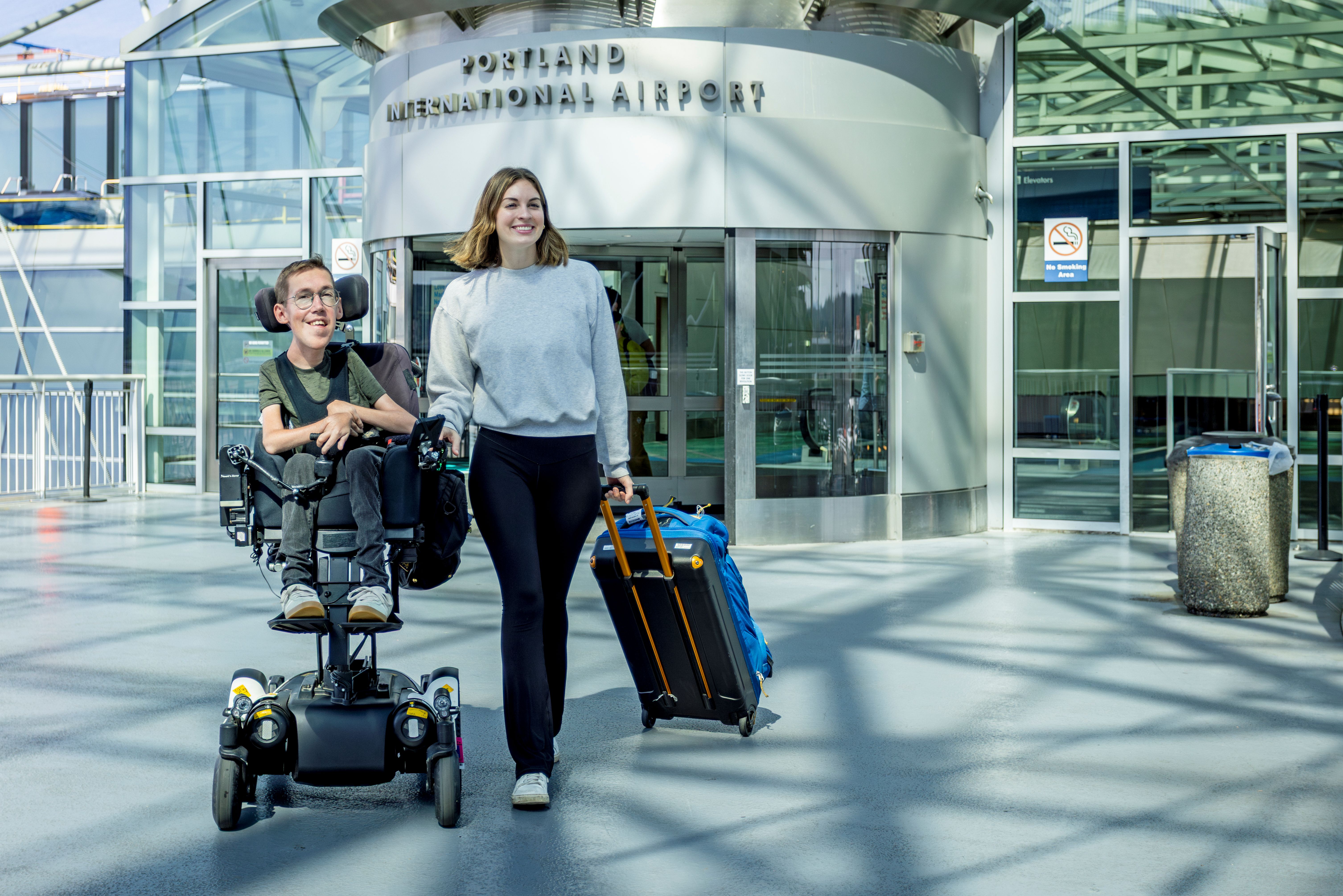
At the local level, Travel Portland has embedded accessibility into its internal structure by establishing a cross-department accessibility committee. Representatives from sales, services, PR, partnerships and other teams convene regularly, so the work does not exist in silos. Grant funding has also played a critical role: when local tourism businesses apply for Travel Portland grants, they are asked to demonstrate how accessibility will be addressed and how improvements will benefit visitors.
Portland recognizes that visitors experience Oregon as a whole.
“Our visitors don’t care about city limits or county lines,” Karen Martwick, Senior Director of Content Strategy at Travel Portland said. “They just want to have fun on their vacation and know they’ll be able to access and feel welcome in the places they visit.”
Lessons Learned
No journey toward accessibility is perfect, and in Oregon, some of the most valuable lessons came from early missteps.
As Oregon Coast tourism partners began implementing accessibility initiatives, including grant-funded partnerships with Wheel the World, they encountered pushback from local disability advocacy groups. These were people who had spent years, sometimes decades, advocating for access in their own communities. The concern was valid: Why hadn’t they been consulted earlier?
“It was a big wake-up call,” Arica reflected. “We had to go back and build those relationships. It taught us to always engage and compensate the disability community, before, during, and after a project.” This process of listening, acknowledging and adjusting created a more authentic and accountable foundation for OCVA’s future work.
For Travel Portland, one early challenge was communication. When introducing Wheel the World’s accessibility audits to local businesses, property owners were initially hesitant, fearing audits would expose them to liability. Karen and team reframed the audits as informational tools designed to help visitors make informed decisions. To date, 80 audits across hotels, attractions and restaurants have been completed.
As initiatives expanded across the state, Oregon began to see measurable results across visitor experience, economic impact, industry engagement and community participation.
Measuring Impact
The impact of accessibility across Oregon is shaping a more welcoming and responsible tourism landscape. Both Travel Oregon and OCVA are tracking outcomes that map directly to core social impact pillars: Access and Participation, Economic Growth and Opportunity, Community Impact and Well-Being and Responsible Tourism and Stewardship.
Access and Participation
Visitors and residents can participate in and benefit from tourism experiences.
- Web traffic and bookings: Through its partnership with Wheel the World, Travel Oregon’s Accessibility Verified State campaign led to 2.5 million organic views with a 97% positive sentiment and over 6,000 leads for accessible trip planning.
- Social media engagement: OCVA’s highest-performing social media content consistently features Mobi-mats, indicating strong public interest in accessible infrastructure.
- Visitor Satisfaction: Satisfaction with the overall trip experience in Oregon generally improved for all visitors from the 2022 survey to the 2025, however, for visitors with disabilities, this increase was larger, moving from 90.7% (in 2022) to 97.9% (in 2025) of respondents selecting either satisfied or very satisfied with their overall experience. Higher satisfaction scores also translate into higher likelihood to recommend scores, on a scale from -100 to +100, the likelihood to recommend score for travelers with disabilities rose from 25.5 to 53.9.
Economic Growth and Opportunity
Economic participation and shared prosperity through workforce development, local business engagement and sector innovation.
- Visitation volume and spending: Based on the 2025 Oregon Visitor Profile study, visitors who have a disability comprise 12.2% of Oregon travelers and account for an estimated $880 million in overnight travel spending to the state. This represents nearly 9% of Oregon's total overnight visitor spend. Furthermore, there's a significantly larger segment of Oregon's visitors, nearly 48%, who say that accessibility to people with disabilities is an important or very important reason for their decision to travel to Oregon. This indicates a large, positive halo effect for any of the accessibility work and messaging that Travel Oregon does to support and attract visitors with disabilities.
- Economic impact: At Travel Portland, accessibility work with Wheel the World has generated an economic impact of over $88,000 and an average daily spend of $224 per person, per day.
Community Impact and Well-Being
Residents feel, experience and understand the benefits of tourism.
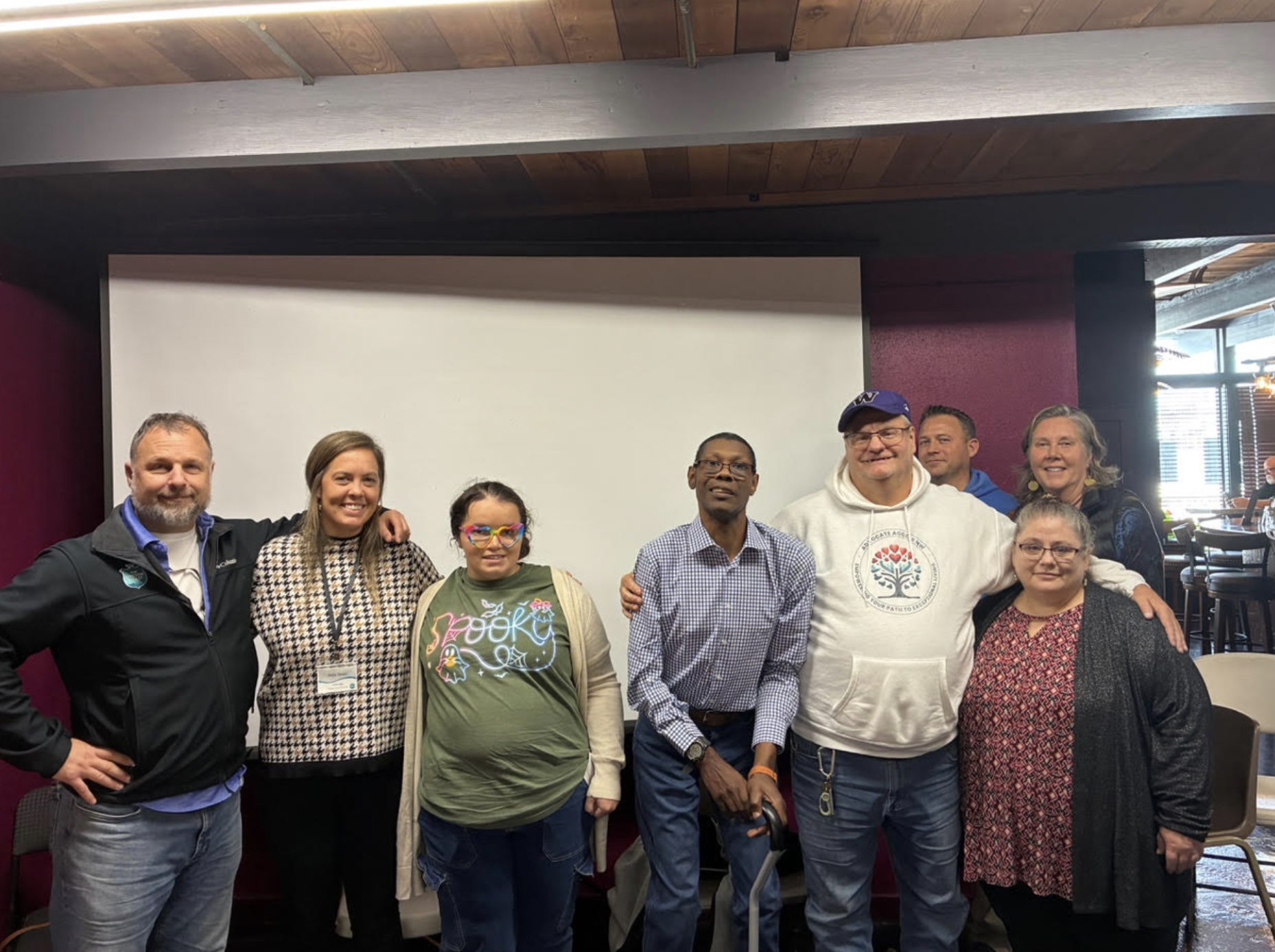
- Industry Education: Since its launch in November 2025, 500 individuals in Portland’s hospitality industry have completed the Rose City Certified Training which includes best practices for welcoming visitors of all abilities.
- Qualitative feedback: Coastal residents now approach OCVA staff with questions like “When will the Mobi-mats be rolled out?” This is a clear signal that resources have become embedded in community life and expectations.
Responsible Tourism and Stewardship
Tourism strategies are designed to protect and advance natural and cultural assets in a destination.
- Media visibility: Travel Oregon’s leadership has generated more than 270 media placements, amplifying the state’s commitment to values-driven tourism. The Accessibility Verified campaign alone reached more than 30 million people across nine media outlets, helping position Oregon as a destination that protects and upholds its natural and cultural assets while ensuring they remain accessible to all travelers.
- Event participation: Attendance and organizational representation at TravelAbility Oregon Coast meetings continues to grow, reflecting increased collaboration and commitment to tourism development.
- Environmental impact: Mobi-mats on Oregon’s coast have successfully funneled foot traffic away from fragile dune ecosystems.
Leading with Collaboration and Action
Oregon’s accessibility journey offers a clear message for other destinations: you don’t need a perfect roadmap to begin. Progress often starts with curiosity and a willingness to learn from others already doing the work. Kevin encourages destination leaders to seek inspiration and start building connections: “Get inspired and then act,” he said. “Go to TravelAbility. Visit a welcome center. Talk to your community. You don’t need a perfect plan to start making progress.”
For Arica, sustained progress comes from building relationships and learning together across the tourism ecosystem. “Build community. Keep bringing people together. Share stories. Celebrate wins. Learn from mistakes,” she said. She encourages destinations to go beyond ADA requirements: “ADA compliance is the floor, not the ceiling. Don’t brag about meeting the bare minimum.”
Kate emphasizes that meaningful accessibility work requires trust and partnership with the disability community. “Moving at the speed of trust is important,” she said. “If you’re asking for feedback from the disability community, they need to be involved at the beginning and compensated for their time.”
Karen echoed that sentiment, noting that destinations should start by looking inward and outward at the same time, building on existing efforts and collaborating with others already leading the work. “Look beyond the walls of your organization and see what’s already happening in your community,” she said. “Build on that work and just start doing the work. You have to accept that there’s no perfect way to get started.”
Together, their advice reflects a common theme: accessibility is not a single initiative, but an ongoing commitment, one that grows through collaboration, humility and action.