Delivering Lasting Social Impact Through Autism Europe Congress 2025


The Autism Europe Congress 2025 in Dublin showed how an international event can drive meaningful social change by embedding inclusive design, employment advocacy, and public awareness into every stage of planning and delivery. It delivered both economic impact (€3.45M) and lasting social outcomes, including improved accessibility standards, stronger employer engagement on neurodiversity, and practical tools and partnerships that continue beyond the event.
Destination Profile
About Ireland
Ireland is a world-class destination. It is defined by its deep 5,000-year history, lush landscapes, and winding rivers. The authority actively organizes the country into four vibrant regional experiences: Wild Atlantic Way, Ireland's Ancient East, Ireland's Hidden Heartlands, and Dublin, the capital city.
Destination Organization

Geographical Location
Ireland is an island in the North Atlantic Ocean in Northwestern Europe.
Destination Population Size
5,458,600
Destination Challenge
In 2025 Ireland unveiled a bold new vision for its business events sector with the launch of Business Events 2030; a national strategy that represents a fundamental shift in how Ireland approaches business events. Business Events 2030 is a product of collaboration between the Department of Enterprise, Tourism and Employment, Fáilte Ireland, Tourism Ireland and industry leaders. The social ambition of Business Events 2030 is clear: to build stronger communities — locally, sectorally, and nationally — by making a positive impact on host communities, delivering long-term legacy benefits for sectoral networks and contributing to national goals and objectives.
Dublin’s destination challenge was not simply to host an international congress, but to use Autism Europe Congress 2025 as a catalyst to address real and persistent barriers facing Autistic people in Ireland. At the heart of the challenge was a recognition that many conferences, workplaces and public spaces are still not designed with Autistic people in mind. This can create exclusion and requires people to adapt to systems that do not meet their needs. For Dublin, the opportunity was to respond to these challenges in a way that would leave a meaningful legacy for the city and its wider events ecosystem.
A key issue the destination was trying to improve the accessibility and inclusivity of business events.
Traditional business event formats often fail to consider sensory, communication and predictability needs, creating barriers to participation for attendees. Through AEC 2025, Dublin sought to demonstrate that a major international event could be designed differently — with lived experience at its centre — and in doing so, provide a best-practice model for how conferences in Ireland and beyond could become more inclusive and accessible.
The destination was also seeking to address the broader social and economic challenge of employment outcomes for Autistic people. By embedding employment advocacy into the Congress impact strategy, the event was used as a platform to engage employers, share practical solutions, and support a longer-term shift towards more inclusive hiring and retention practices.
A further challenge was the tackling misinformation, stigma and low public understanding of Autism.
AEC 2025 gave Dublin the opportunity to address this challenge through public engagement, awareness activity and community-based events that promoted informed, respectful and autism-affirming conversations. In this sense, the Congress was positioned not only as a professional gathering, but as a mechanism for broader public education.
Taken together, these challenges reflect a wider destination ambition: to position Dublin as a city that delivers social value through business events, not just economic return. AEC 2025 aligned with Dublin’s and Ireland’s broader goals around inclusion, accessibility and societal impact, including Government of Ireland’s Autism Innovation Strategy while also supporting the city’s ambition to become the world’s first Autism-Friendly Capital City.
The destination challenge, therefore, was to prove that an international congress could do more than attract delegates - it could help transform systems, influence practice and improve quality of life for Autistic people in Dublin and beyond.
The Project
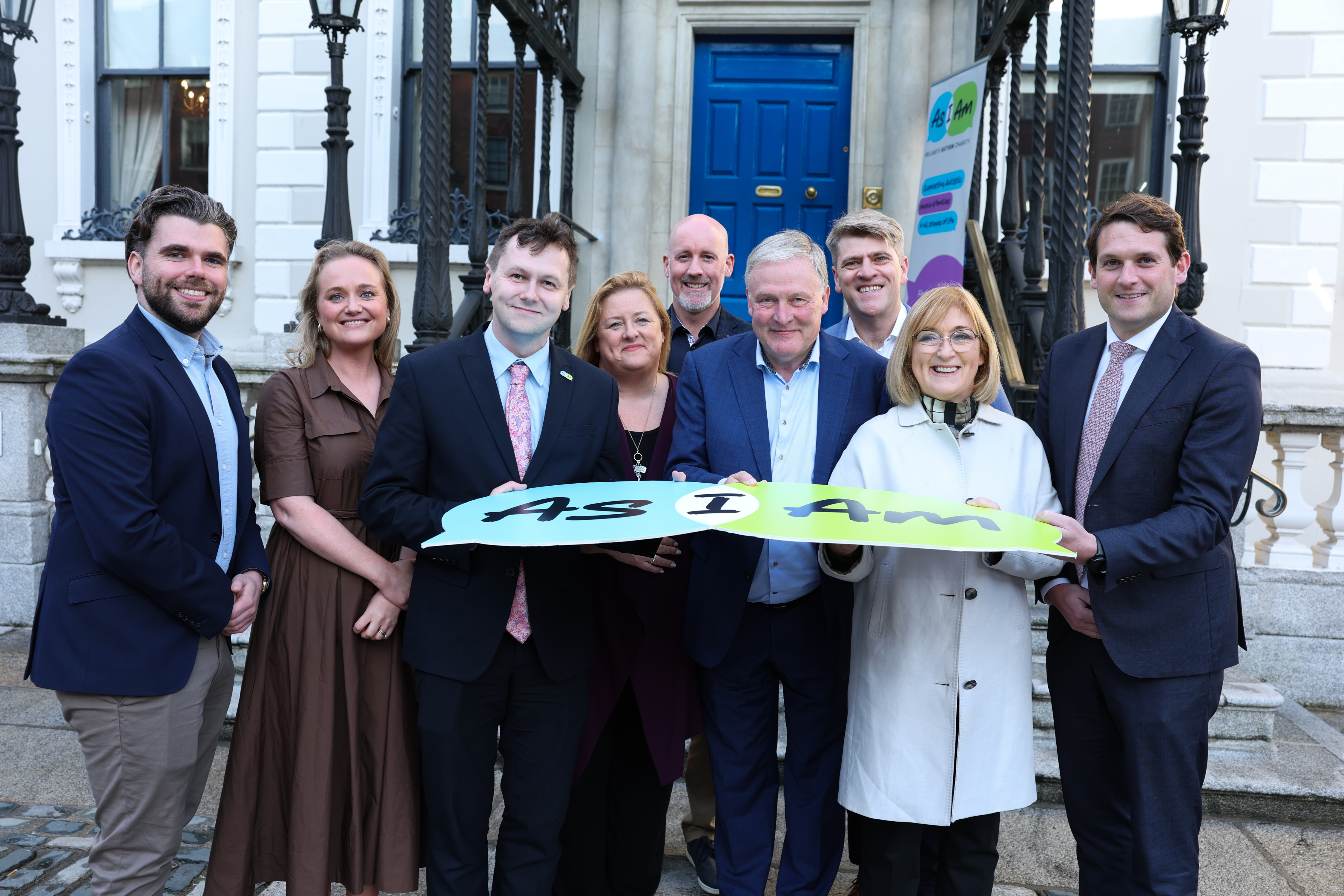
The project was the Autism Europe Congress 2025 Intentional Impact Project, delivered alongside the 14th Autism Europe Congress which was hosted in the RDS, in Dublin. Led by AsIAm, Ireland’s Autism Charity, in partnership with Fáilte Ireland, Autism Europe, and Keynote PCO, the project embedded social impact objectives into the full lifecycle of the Congress. Rather than treating impact as an add on, the project ensured that inclusion, legacy and measurable outcomes were central to the planning, delivery and follow up of the event.
The project was underpinned by a shared Theory of Change, developed by #Meet4Impact and co-created with key stakeholders and people with lived experience. This framework translated the Congress from a standalone international meeting into a structured programme of action, designed to deliver tangible benefits for Autistic people, employers, the events industry and the host destination. The project focused on ensuring that learning generated by the Congress resulted in practical tools, partnerships and behaviour change that could extend well beyond the event itself.
Delivery was structured around three interconnected impact pathways: Inclusive Event Design, Employment Advocacy, and Tackling Misinformation & Building Capacity. Each pathway aligned Congress content, stakeholder engagement and public-facing activity to specific outcomes, ensuring that the Congress acted as both a knowledge exchange and a testing ground for inclusive practice.
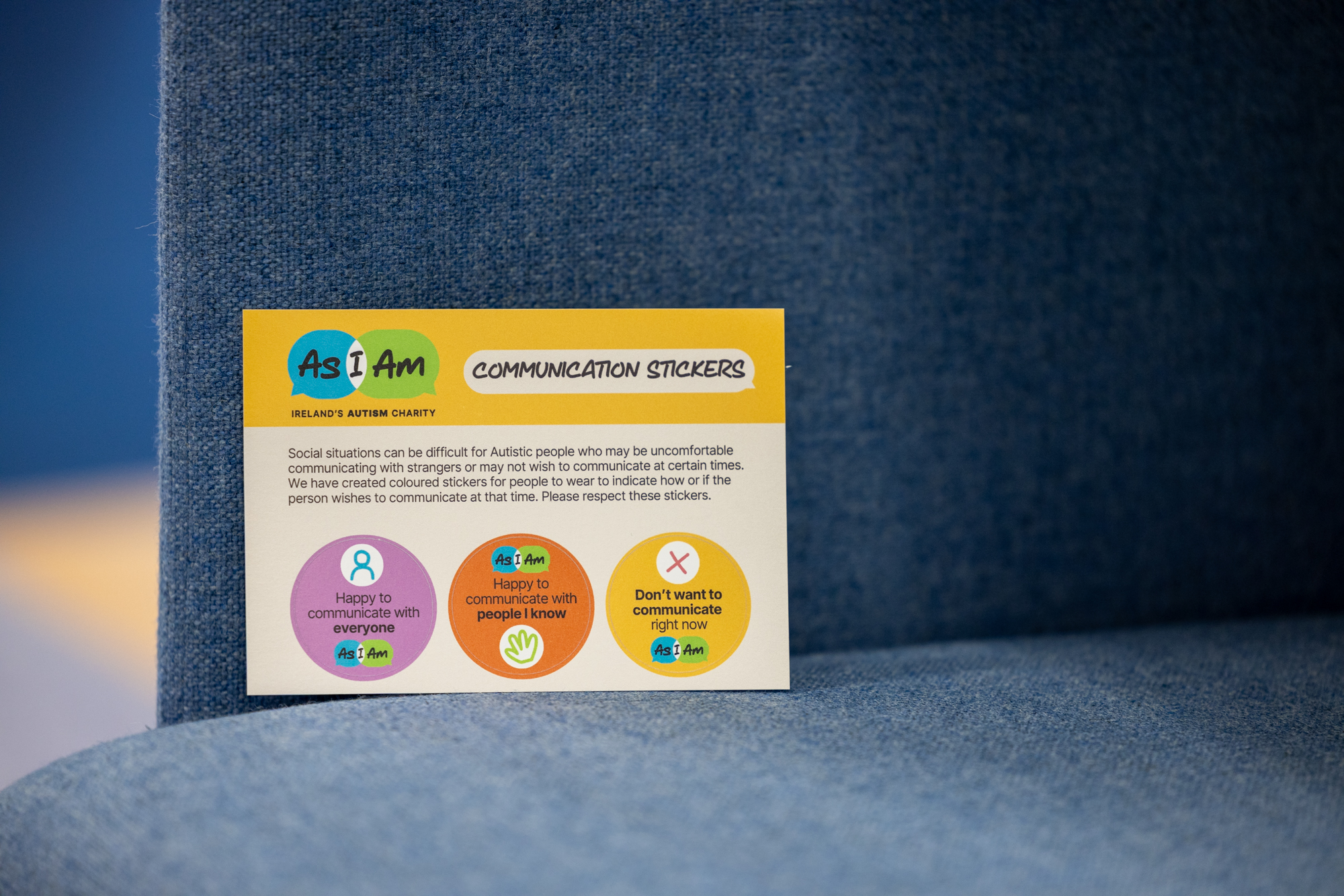
Through the Inclusive Event Design pathway, the project delivered the most accessible edition of the Autism Europe Congress to date. Autistic voices were embedded at every stage of design and delivery, including a majority Autistic scientific committee and speaker line up, sensory informed environments, quiet rooms, communication preference tools, clear pre event information, and bespoke Autism inclusion training for staff and volunteers. These measures were formally captured and translated into Fáilte Ireland’s “Championing Inclusive Event Design” case study, providing a practical resource to support other event organisers to replicate and scale inclusive practices across future conferences.
Inclusive Event Design Case Study
The Employment Advocacy pathway used the Congress as a convening platform to engage employers, policymakers and Autistic professionals around inclusive recruitment, workplace design and retention. Employment was embedded as a core theme of the Congress programme through panels, workshops and networking sessions. A key outcome was the launch of the IBEC–AsIAm Roadmap for Autism and Employment, which provides employers with practical, evidence based guidance to improve hiring practices and workplace accessibility. The project also supported early career professionals through bursary tickets, enabling knowledge gained at the Congress to be transferred directly back into workplaces across Ireland.
The Tackling Misinformation & Building Capacity pathway extended the reach of the Congress beyond delegates to the wider public. This included a visible public awareness campaign across Dublin, community focused fringe events, and accessible online sessions designed to improve understanding of Autism and counter misinformation with lived experience and research based insight. These activities supported greater confidence, empathy and understanding among both neurotypical and Autistic audiences, strengthening inclusion at a community level.
Together, these strands formed a single, integrated project that demonstrated how an international business event can be leveraged to deliver social value alongside economic impact. The Autism Europe Congress 2025 Intentional Impact Project created practical tools, strengthened cross sector partnerships and supported changes in practice that continue to deliver benefits for Autistic people, the events industry and the host destination beyond the lifespan of the Congress.
Supporting video content:
Championing Inclusive Event Design video
Results and Key Performance Indicators (KPIs)
The Autism Europe Congress 2025 Intentional Impact Project delivered strong, measurable results across delegate experience, workforce capacity, employment advocacy, public engagement and destination impact.
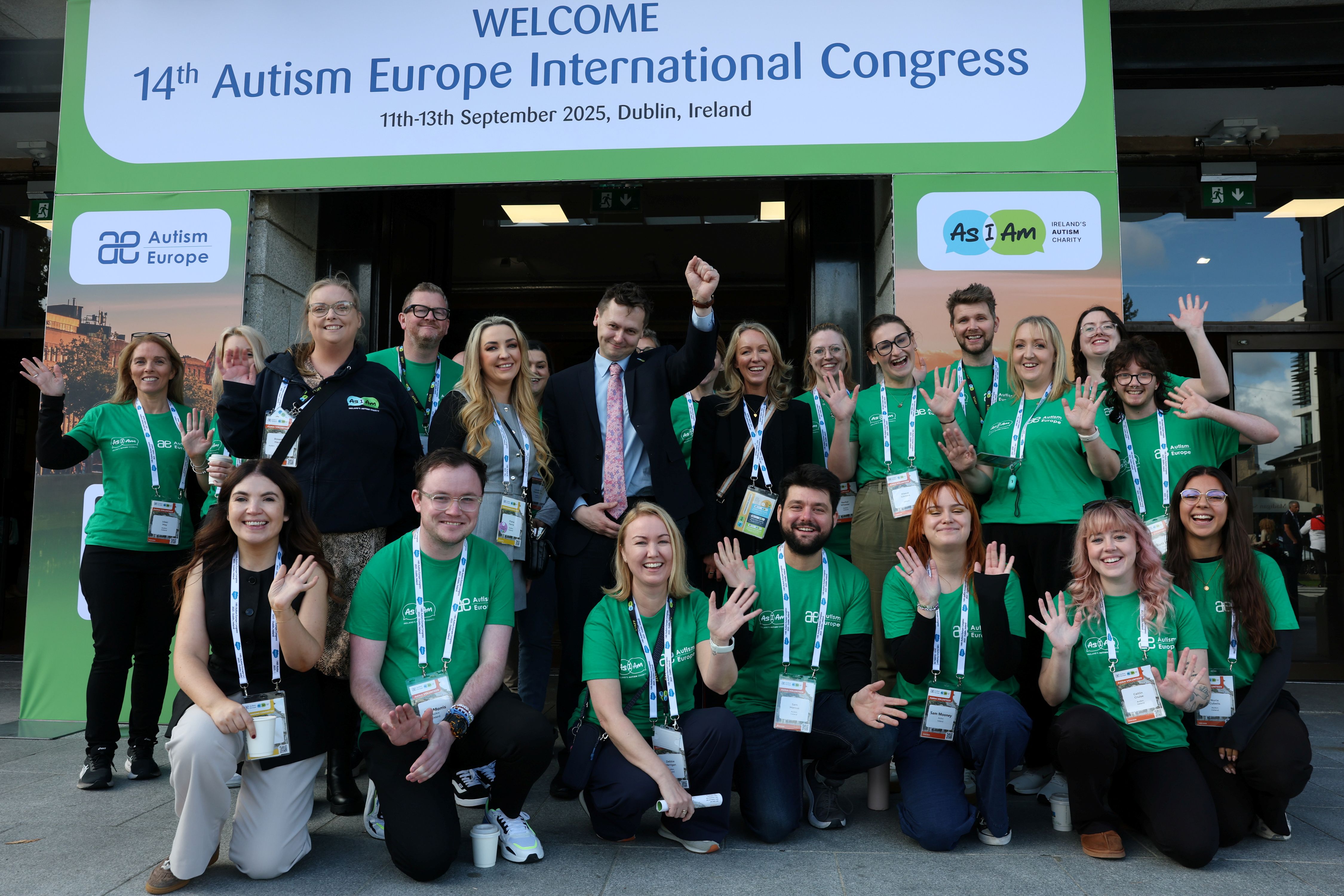
The Congress welcomed 1,800 delegates from 62 countries, confirming its global reach while delivering tangible local and sectoral outcomes.
Post event evaluation showed that 71% of delegates recognised that organisers had implemented adjustments around sensory overload and difference, and 81% agreed that professional conferences that respect the Autistic experience help Autistic people feel respected and included. Importantly, 44% of delegates reported feeling more confident about attending future professional conferences as a result of their experience.
Speaker and workforce outcomes were a key performance indicator given the majority Autistic speaker cohort. 94% of speakers agreed that communications aligned with their preferences and that organisers made a sincere effort to ensure the Congress was inclusive, while 88% felt they were given the support needed to deliver their sessions.
Capacity building for the destination and events ecosystem was also significant: 100% of trained staff and volunteers agreed that Autism inclusion training was informative and useful, and 94% reported that it helped them better support delegates on site, indicating long term benefits beyond the Congress itself.
Employment advocacy outcomes were tracked through engagement and uptake metrics. The Congress hosted three dedicated employment panels, embedding inclusive employment as a core programme theme. 106 bursary tickets were provided to early career professionals to support learning transfer back into workplaces.
A key measurable outcome was engagement with the IBEC–AsIAm Roadmap for Autism and Employment, which received 757 page views from 161 unique users between September 2025 and January 2026, demonstrating sustained employer interest beyond the event. An ambition was set for 100 employers to sign up to the Roadmap, supporting longer term employment outcomes.
Public engagement and capacity building activities also delivered strong results. Across fringe events, 100% of attendees stated that the events were beneficial for Autistic people, 90% reported an improved understanding of Autism, and 95% felt more confident addressing misinformation after attending. Between 45% and 56% of attendees identified as neurotypical, demonstrating effective reach beyond the Autistic community. All attendees (100%) stated an intention to apply the learning in their personal lives, with a high proportion also planning to apply it professionally.
The project generated significant earned and owned media impact. The AsIAm and AEC 2025 websites achieved a combined reach of 4.2 million during the Congress period. More than 72 media pieces were published across 60+ publications, with a combined average circulation exceeding 310,000, while 71,500 social media impressions were generated on AEC specific posts over the three Congress days.
From a destination perspective, AEC 2025 delivered an estimated €3.45 million economic impact for Dublin while simultaneously strengthening the city’s reputation as a leader in inclusive, impact driven business events. The project demonstrated that social value and economic return can be delivered in parallel, supporting Dublin’s positioning within Ireland’s Business Events Strategy 2030 and reinforcing the long term legacy of the Congress.
Lessons Learned
Business events are most impactful when learning is translated into practical tools and partnerships!
AEC 2025 demonstrated that conferences deliver greater long term value when insights and momentum are converted into tangible outputs that can be used beyond the event itself.
Resources such as the Championing Inclusive Event Design case study, the IBEC–AsIAm Roadmap for Autism and Employment, and structured public engagement activities ensured that learning did not stop when the Congress ended.
This approach strengthened legacy, supported behaviour change, and allowed Ireland as a destination, and the sector to scale impact well beyond the lifespan of the event.

Actionable Advice
Start early and build impact into the event from the very beginning, not as an add on once the programme or logistics are fixed.
For AEC 2025, impact was most effective because it was embedded at concept stage, with the destination, host organisation, sector partners and people with lived experience all involved in shaping the objectives from the outset. This allowed inclusion, accessibility and legacy to inform every decision - from programme design and venue setup to communications, staffing and evaluation.
Equally important is convening the right stakeholders and giving them shared ownership of outcomes. Bringing together destination partners, community organisations, policymakers and industry representatives around a clear Theory of Change ensured that the Congress could move beyond awareness to action. This early alignment enabled the creation of practical tools, partnerships and commitments that extended well beyond the event itself.
Destinations seeking to replicate these results should prioritise early co design, clear impact goals, and governance structures that treat impact as a core success metric alongside attendance and economic return.
Top Takeaways
Impact must be intentional and embedded from the start.
AEC 2025 showed that the strongest results occur when impact objectives are built into the event’s purpose, governance and planning timeline, rather than added on later. Starting early allowed inclusion, accessibility and legacy to shape every decision.
Co design with the right stakeholders strengthens both credibility and outcomes. Bringing together the destination, host organisation, community partners, employers, policymakers and people with lived experience created shared ownership of outcomes and ensured the Congress translated insight into action.
Conferences can deliver lasting value when learning is turned into practical legacy outputs. Toolkits, roadmaps, training and public engagement activities ensured that benefits extended beyond the event itself, supporting long term change across the destination and sector.
Social impact and economic impact are not mutually exclusive. AEC 2025 demonstrated that a major international congress can deliver strong economic return for a destination while also creating measurable social value for communities and industry.
Ireland
Ireland is a world-class destination. It is defined by its deep 5,000-year history, lush landscapes, and winding rivers. The authority actively organizes the country into four vibrant regional experiences: Wild Atlantic Way, Ireland's Ancient East, Ireland's Hidden Heartlands, and Dublin, the capital city.
53.347577233135, -6.266313845206

Paul heads up the Commercial development division at Fáilte Ireland (The National Tourism Development Authority), the State Agency responsible for guiding and supporting the sustainable development of tourism in Ireland.
He leads the Fáilte Ireland teams responsible for Business Events (Meet in Ireland), Dublin Convention Bureau, Leisure Business Development, Golf Tourism (Golf in Ireland) and trade FAMs & Platforms. Paul also provides advocacy and leadership to Ireland’s Regional Convention Bureau as well as international platforms such as Convene4Climtae, The Iceberg and Destinations International European Stewardship Council. Paul is a champion for the sustainable development of tourism and an advocate for the potential impact and legacy from hosting business events for communities, destinations and sectors.
With over 25 years of tourism experience in the private and public sectors, having worked with companies right across the industry from aviation, visitor attractions, regional development, convention bureaux and a regional development agency prior to joining the leadership team of Fáilte Ireland and taking over a national role in 2013.
He lives in Co. Clare on the west coast of Ireland with his wife and 2 daughters. His passions apart from family life, include, golf, sport, laughter and great food & wine.