

North Alabama
A Community Impact Story
Alabama Mountain Lakes Tourist Association: Shaping a Culture of Inclusion Through Accessibility
Social Impact Framework: Accessibility
What was the issue you were trying to solve?
As part of the upcoming U.S. Semiquincentennial, we wanted to ensure that North Alabama is positioned as a welcoming destination for all, including individuals with disabilities. Our region had not yet addressed accessibility at a strategic and coordinated level, and we recognized that barriers in infrastructure, information, and perception could hinder visitor experience, community strength, and economic opportunity.
We set out to bridge that gap through practical improvements and a commitment to accessibility through marketing, planning and regional development.
What were the stated objectives of your initiative?
Our accessibility initiatives had several core goals:
- First, to make North Alabama a destination where people of all abilities, physical, sensory, cognitive, and invisible, can confidently plan and enjoy travel experiences. This meant establishing shared standards, messaging, and partnerships, so accessibility efforts are coordinated, scalable, and sustainable across the entire region. This meant improving transparency and trip planning confidence by providing visitors with clear, accurate, and detailed accessibility information (measurements, layouts, amenities, sensory considerations) prior to arrival.
- Second, to position accessibility as a welcoming culture, not just a compliance tactic. We did this by equipping hotels, attractions, DMOs, and frontline staff with training, tools, and best practices to better serve travelers with disabilities and their companions. We worked to shift the conversation from minimum ADA requirements to a mindset of hospitality, dignity, and proactive inclusion across the tourism industry.
- Third, to grow the visitor economy through an underserved market, by creating regional consistency across 16 counties. This meant marketing accessibility as a competitive advantage that drives longer stays, repeat visitation, and higher economic impact.
- Fourth, to leverage storytelling and partnerships, and emerge as a national leader. We aimed to do so by amplifying authentic stories through influencers, media, and strategic partners.
- Fifth, to use the Semiquincentennial as a catalyst to leave a lasting legacy of impact, ensuring improvements made today benefit residents and visitors for generations.
What were the specific metrics you used to measure the success of your efforts?
Success was measured not only by how many partners we trained or pages we built, but by the confidence we created—for visitors to travel, for partners to serve, and for our region to lead with inclusion. We used a mix of visitor-centered and industry-focused metrics, including:
- Visitor Confidence & Trust. This included visitor feedback expressing appreciation for transparency and honesty, feeling “seen”, “welcomed”, and “respected”, and indications of reduced anxiety around travel planning. Confidence also extended into testimonials from travelers and families who said they would not have traveled without accessible information provided.
- Partner and Industry feedback. This included reporting from our hotel and attraction partners emphasizing an increase in confidence when serving guests with disabilities, in addressing accessibility internally among teams, and in proactive service and voluntarily making improvements beyond ADA minimums.
- Regional Cultural Changes. Accessibility became a measured and standardized talking point in sales calls, marketing discussions, and community engagement meetings. We saw an increase in collaboration among tourism, workforce development, and community organizations.
- Storytelling and Representation. We aimed to measure the quantity and reach of authentic stories from individuals with disabilities, their families, and caregivers. Our storytelling extended into our communities as well, and we sought to measure the reach of our rural communities seeing themselves reflected nationally. Finally, we closely monitored the feedback from media and partners who recognized our region’s efforts as genuine, not performative.
- Leadership and Legacy Indicators. Across our efforts, we tracked how our accessibility initiatives were represented as a model for rural destinations, a long-term investment, and in alignment with our Semiquincentennial legacy goal, benefiting both visitors and residents.
What were the specific outcomes of our efforts?
Through intentional and collaborative initiatives across our region, our efforts led to meaningful and measurable change. We saw a tangible shift beyond infrastructure, and into the identity and mindset of our communities. Our industry is stronger, and our workforce is empowered.
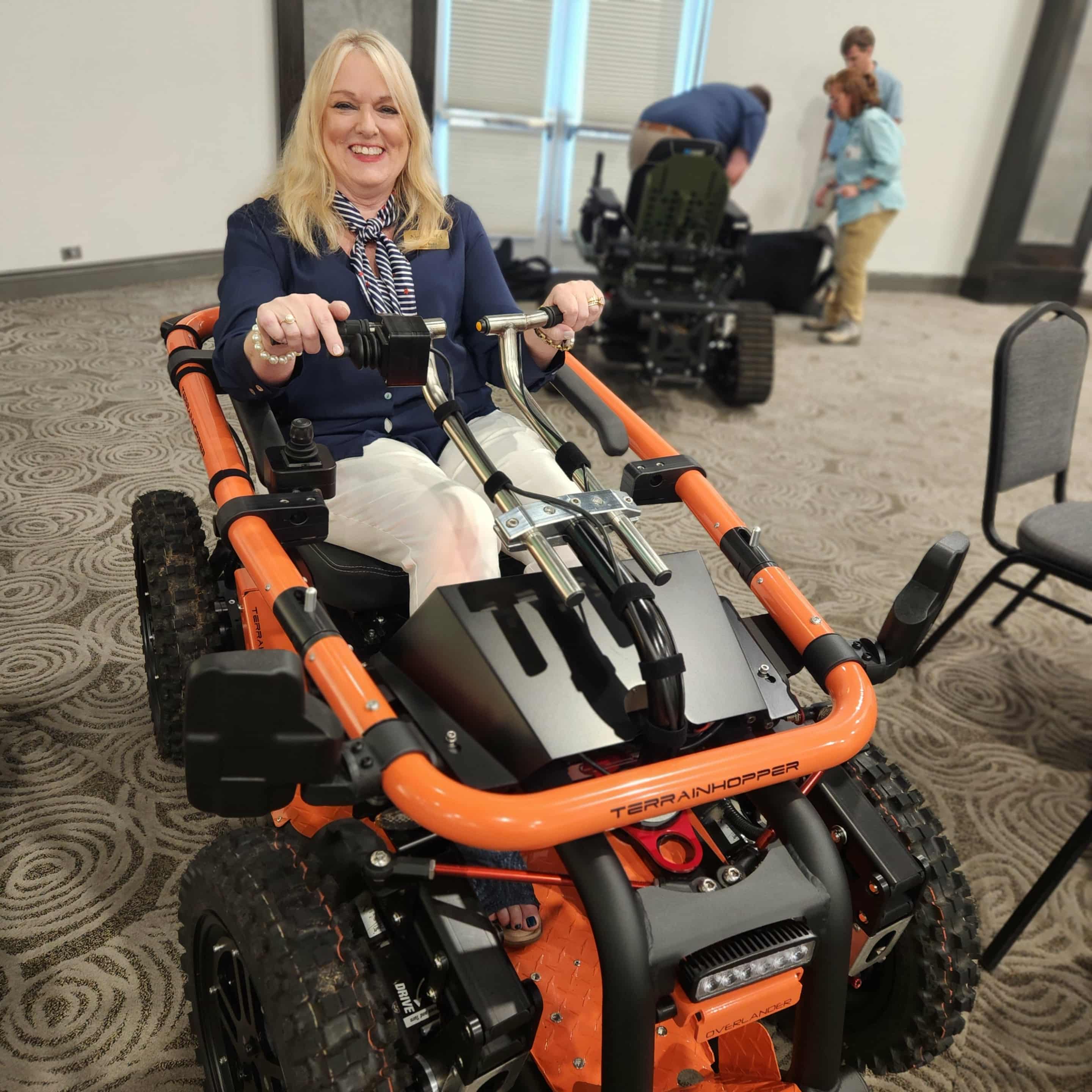
Importantly, North Alabama became a more confident regional destination: visitors with accessibility needs reporting feeling more welcomed and supported, while local businesses responded enthusiastically and made valuable improvements both physically and digitally. The region’s availability of ramps, signage, and assistive accommodations increased.
From a marketing lens, our strategies evolved to become human-centric. We developed an inclusive messaging toolkit, broadened narratives, and ensured accessible information was updated throughout online platforms.
What other best practices or key lessons can we share?
Inclusion is a brand value. We learned that accessibility isn’t a side project—it’s core to our region’s story and identity. Our efforts proved that accessibility is an opportunity to innovate, and to make visitors truly feel confident, safe, seen, and empowered.
Start with education. Many of our partners didn’t know what was possible. Training created buy-in and sparked creativity. Ongoing collaboration was also essential. From public partners to private businesses, change happens faster when it’s shared. Sustainability matters, too. Accessibility needs maintenance and updates as a living part of destination planning.
We are proud to make North Alabama stronger, more resilient, and more welcoming for all. Take a look at the following resources for more inspiration:
Tami Reist is the President and CEO of the Alabama Mountain Lakes Tourist Association. The Association's mission is to promote North Alabama as a destination that celebrates its natural beauty, cultural richness, and welcoming spirit for all travelers.