
Why Accessibility Is Our Inheritance, Not a Checked Box

Disabled travelers are ¼ of the U.S. population and represent a $675B market, yet destinations treat access as compliance, not design. Barbara's family story shows accessibility isn't niche—it's inheritance. Industry must act before losing these travelers to competitors.
When my father was 15, he was electrocuted and burned over 40 percent of his body, mostly his legs and feet. He spent the next year in a hospital bed and endured more than 300 surgeries, coming out of it with seven and a half toes and skin grafts that would ache for the rest of his life.
He also came out of it a college basketball player, a scholar, and eventually a Ph.D. He built a 40-year career as a professor and licensed mental health counselor, authored more than 200 journal articles and books, and helped shape statewide curricula for mental health and addiction services. His disability was never the story he told. It was the vantage point from which he saw everything else.
My great Aunt Ruth was paralyzed after falling from a backyard swing while she was pregnant. Disability wasn’t an abstraction in our house, it was family, dinner guests, the ramps and widened doorways my parents built long before “accessible design” was common. We learned early that a full life and a disabled body were never in conflict, because we watched it happen at our own table.
But this isn’t just a story about my family. It’s about a statistical reality the travel industry has been slow to reckon with.
The U.S. Centers for Disease Control and Prevention (CDC) reports that 1 in 4 U.S. adults — roughly 70 million people — live with a disability. Globally, the World Health Organization (WHO) projects that by 2030, more than 2 billion people will need at least one assistive product: a wheelchair, a hearing aid, a cane, a communication app. Disability isn’t a fringe demographic footnote. It’s a quarter of the population, and growing as the population ages and chronic conditions rise.
Here’s the part destinations consistently miss: those needs don’t disappear at the airport. The ramp someone relies on at home is the ramp they need at a hotel. The screen reader used for online banking is the same tool needed to book a flight or a hotel room — if the sites allow it. A person’s accessibility requirements travel with them, from their living room to a resort lobby three time zones away. Destinations that treat accessibility as an amenity for a small, separate group of “special needs” travelers misunderstand both the scale of the population and the nature of the need.
And the population isn’t static — it’s expanding daily. Aging baby boomers acquire mobility, vision, and hearing limitations later in life; veterans return with lasting injuries; chronic illness adds millions more each year. Every family, friend group, and travel party is statistically more likely than not to include someone with a disability, visible or not. The question isn’t whether a destination will host these travelers — it’s whether it does so well, or loses them, to a competitor that got it right.
That last point matters more than most destinations realize. Disabled travelers rarely travel alone. Multi-generational families plan trips around a grandparent with limited mobility; friend groups pick restaurants and hotels based on whether one member — a wheelchair or cane user, visually impaired, or managing a chronic illness — can participate. When a destination fails one traveler, it loses the entire party — and often future business, since the memory of being unwelcome outlasts a nice sunset. Word travels fast within disability communities that compare notes on which cities, hotels, and airlines deliver.
That means moving past the compliance mindset — the minimum ramp width, the one accessible room per floor — and treating accessibility as a design principle, not a checklist: auditing the booking site, transportation, physical paths, sensory experience for neurodivergent or hard-of-hearing guests, and staff training. A ramp to an entrance isn’t accessibility, and neither is a website with an accessibility statement but no working screen reader. It also means listening to disabled travelers rather than guessing on their behalf — they’re the ones who know what’s missing from a hotel bathroom, an airport lounge, a museum exhibit, a tour bus, or a beach boardwalk. Universal design, built for disabled people but useful to everyone from parents with strollers, grandparents with canes, to travelers hauling luggage, isn’t a niche philosophy. It’s good design.
Destinations don’t have to figure this out alone. Organizations like TravelAbility and Wheel the World are already expert resources bringing real solutions and awareness to accessible, independent travel — from accessibility audits, tool kits, and training to booking platforms built around disabled travelers’ actual needs. The annual TravelAbility Summit has become the largest conference of its kind, gathering destinations, brands, and disability advocates in one room to trade the lessons and solutions the industry needs.
There is also a business case that too many destinations undervalue or don’t see at all. New 2026 research from Disability:IN and the American Institutes for Research (AIR) jointly found that the U.S. disability consumer market is now worth $675 billion — about the size of the entire global beauty and cosmetics industry — including $107 billion in discretionary income. People with disabilities now earn nearly 7 percent of all U.S. disposable income, concentrated mostly among the roughly 10 percent of working-age adults with disabilities, who average $40,000 each annually. A real gap persists — average disposable income for people with disabilities runs about $40,000 a year, versus $68,000 for people without disabilities — but as more disabled Americans are part of the workforce, that gap is narrowing and their purchasing power keeps climbing — and none of this counts the spending of the family members, friends, and travel companions who go with them, or the trillions more in spending power represented globally.
Every dollar spent making a destination accessible is a dollar invested in a market segment that isn’t shrinking or disappearing — ignoring it is a slow, compounding loss of revenue and market share to competitors who did the work. Time and again, I hear the travel industry call disability an “underserved market,” as though it is a niche. It isn’t. It’s a quarter of the U.S. population, a fast-growing share of the globe, and it includes people with real spending power who talk, write reviews, and remember which destinations made room for them.
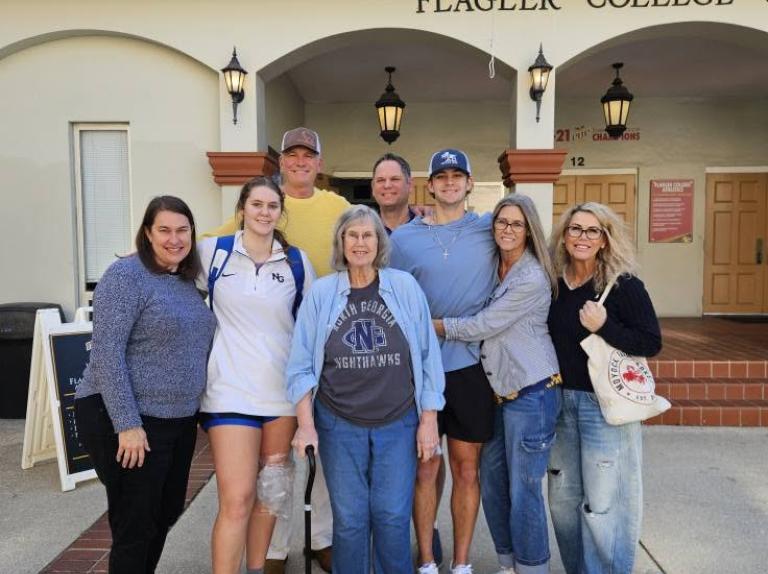
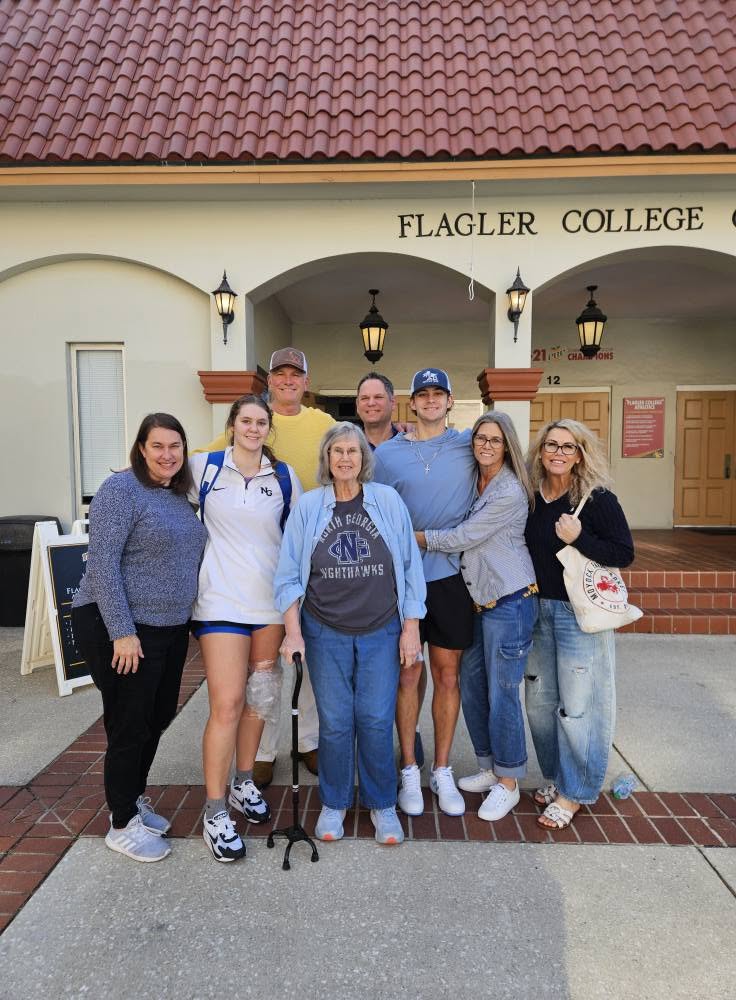
Just this July 4th weekend my sister, husband, and I spent a few days at a beach destination in an accessible oceanfront room with my 83-year-old mother, who now uses a cane and rollator since her hip replacement last year. She enjoyed the sunrises and sunsets from the balcony and the short walks to the handicapped parking spots. As a daughter, it was painful watching her struggle with uneven sidewalks and ramps, thick-carpeted hallways, coffee-bar lids she couldn’t reach, and the fear of restaurant chairs that were too high or too low. Every day I hugged her tighter and vowed to further an accessibility crusade. And before my mother and I plan our next trip together, I’ll be consulting TravelAbility’s accessible destination guide first, so we spend our time together navigating around a destination that was intentionally planned for her.
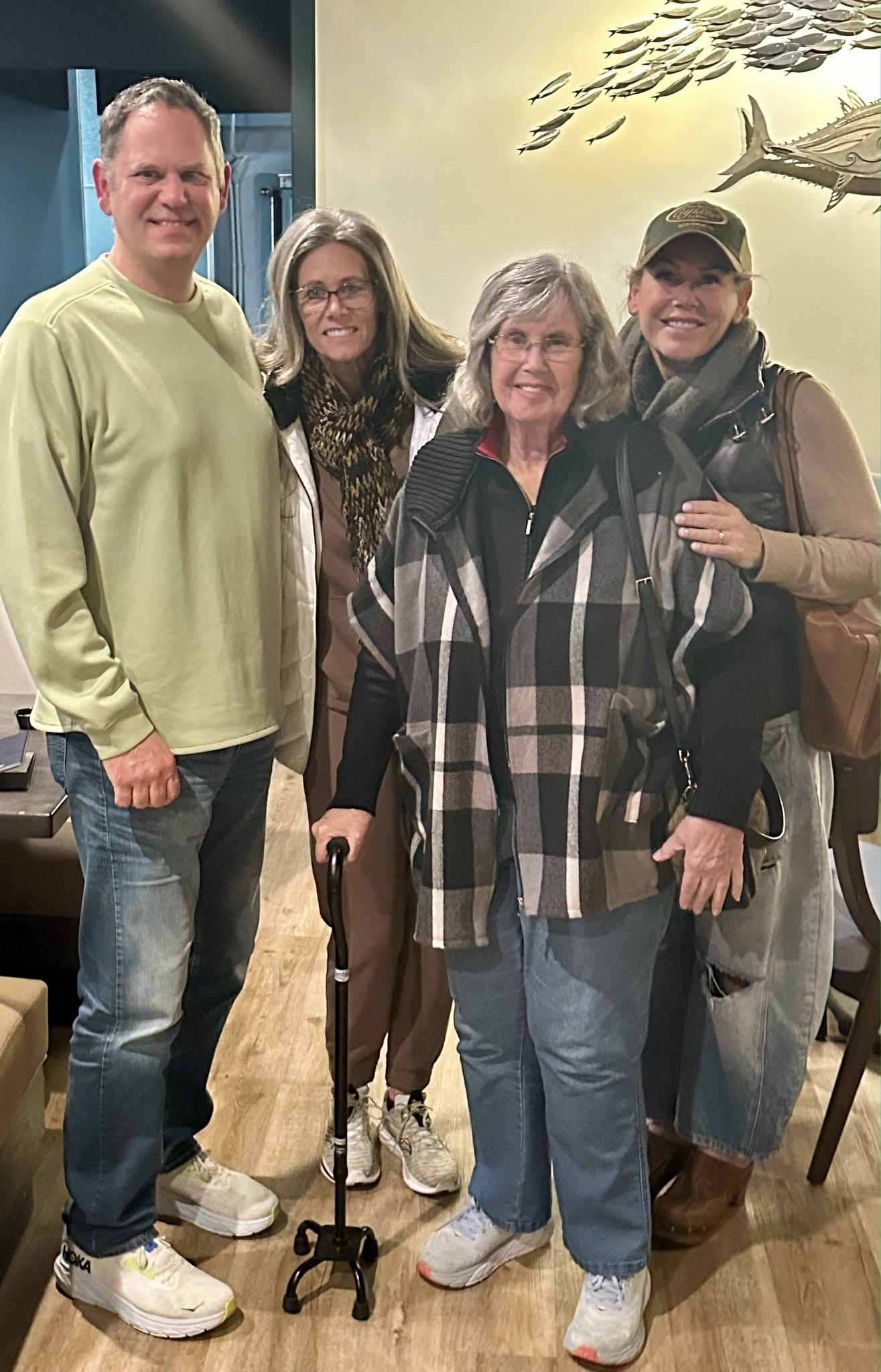
My father spent 40 years proving that a body the world had written off could still author its own life, if the world around him made room. Now, we watch my mother navigate her own realities.
Destinations face that same choice today, at the scale of billions. Time cannot turn back anyone’s clock, and the data isn’t ambiguous.
The one real question remaining is whether the industry acts on it before travelers stop giving it the chance while they still have the time and the ability.
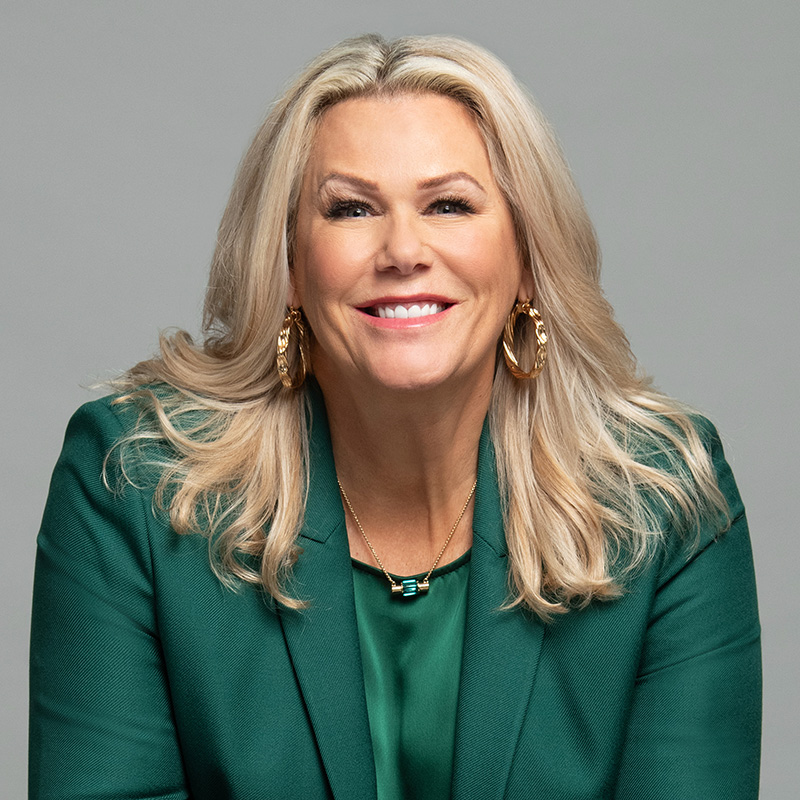
Barbara is the CEO and Co-Owner of Paradise Advertising & Marketing, Inc., an award-winning, full-service marketing agency specializing in tourism and hospitality, and notably, A Partner for GoodSM for the livelihoods and communities served. Before acquiring Paradise with her husband in January 2018, Barbara had lived in eight countries and traveled to more than 20 countries while leading global brand and consumer marketing, sponsorship, entertainment, e-commerce, licensing, operations, and consumer products divisions for companies such as SeaWorld Parks & Entertainment, PGA TOUR, NASCAR, and the United States Olympic & Paralympic Committee. She has negotiated more than $485 million in global partnership contracts. She also held a sales and marketing role with a prominent African-American-owned clothing manufacturer located in Los Angeles, allowing her to manage brand, licensing, and retail sales and marketing programs for many urban and hip-hop artists and music industry entities.
Share Your Expertise
Want Your Organization Featured Next?
The article you just read was written by someone like you. Submit a blog, case study or social media feature and get your organization's story in front of the DI community.
Join 50+ destination leaders who've shared their stories on the DI Blog