
Keeping Tourism Dollars Local: A Guide for Destinations


Tourism’s global growth often hides local disparities. Five proven strategies show how destinations can plug financial leaks, empower communities and keep tourism dollars circulating locally. Case studies from Jamaica, Barbados and Aruba highlight practical approaches that strengthen resilience and ensure tourism benefits the people who make travel meaningful.
Tourism is often celebrated for its global economic contribution, estimated at $11.7 trillion by the World Travel & Tourism Council. Yet beneath the surface, many destinations struggle with a hidden challenge: leakage. In some developing regions, the UN Environment Programme estimates that as much as 80 percent of visitor spending leaves the local economy, absorbed by foreign-owned resorts, imported goods or intermediaries that take hefty commissions. The result is a paradox where communities shoulder the costs of tourism but see little of the reward. Addressing leakage requires intentional action from destination leaders, tourism boards and policymakers who shape how tourism systems are designed and governed.
This is important because leakage erodes trust. When residents feel excluded from tourism’s benefits, resentment grows and the industry risks losing its social license to operate. For tourism to be truly sustainable, destinations must move beyond counting arrivals and average daily rates. The real measure of success is how much value stays in the community.
1. Build Direct Booking Ecosystems
Prioritize direct booking pipelines that bypass online travel agencies charging 10–30 percent commissions. This approach gives small operators visibility and ensures travelers connect authentically with local communities.
Why it matters: Direct booking democratizes access, builds trust, fosters cultural exchange and keeps more revenue in local hands rather than global distribution systems. While not every operator can immediately replace OTAs, even partial shifts toward direct pipelines (WhatsApp, referrals, destination-led platforms) can significantly reduce leakage.
Strategy in action: As part of the Yaad Luv community-based tourism initiative, Trove and Jamaica recently ran a referral-tracking campaign that generated thousands of clicks and hundreds of WhatsApp inquiries for ten small businesses in just six weeks, proving how direct pipelines can transform opportunities for local operators.

2. Mandate Local Sourcing
Reduce leakage by prioritizing local suppliers for food, uniforms, entertainment and event services.
Why it matters: By reducing import costs, freight delays and foreign vendor markups, local sourcing transforms tourism into an integrated ecosystem. Spending circulates through agriculture, manufacturing and creative industries, strengthening resilience and reducing dependence on imports. Communities see tangible benefits in jobs and income.
Strategy in action: Aruba shifted its MICE sector to hire local audiovisual providers and entertainers. According to an economic impact study conducted by Trove, this reduced reliance on imports while creating employment in catering and performance, proving how sourcing locally can both cut costs and expand opportunities for residents.
3. Invest in MSME Visibility and Capacity
Evaluate, package, and promote small operators while improving signage, access and digital presence.
Why it matters: MSMEs are the backbone of tourism economies. Supporting them diversifies offerings, spreads benefits beyond urban centers and empowers communities to tell their own stories. Strong MSMEs strengthen destinations with authentic culture.
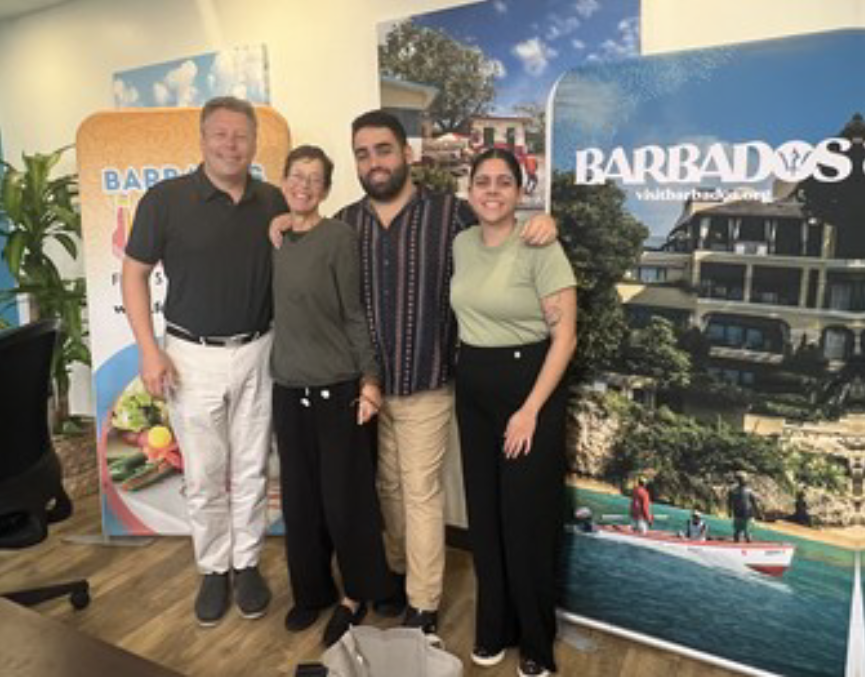
Strategy in action: In Barbados, Trove assessed 240 attractions through surveys and interviews, mapping ownership and visitor flows. The findings led to themed packages like “Rum & Roots” and “Green Route,” directing traffic toward locally owned sites and boosting competitiveness.
4. Track and Prove Impact with Data Tools
Move beyond arrivals and occupancy by adopting advanced tools like sentiment analysis, satellite accounts, blockchain and AI forecasting. These tools allow destinations to quantify how much spending stays local, identify where leakage occurs and adjust policy or procurement accordingly.
Why it matters: Transparent measurement builds trust, attracts ethical investors and allows destinations to adapt quickly when gaps are identified. Data turns assumptions into evidence, making tourism accountable and credible.
Strategy in action: TroveSentiment analyzes visitor reviews for authenticity and cultural engagement, while Tourism Satellite Accounts break down direct and indirect contributions. Together, they provide a fuller picture of tourism’s impact and guide smarter decision-making.
5. Align Tourism with National Development Goals
Integrate tourism with agriculture, culture, and entrepreneurship through cross-ministerial collaboration.
Why it matters: Alignment maximizes resources, reduces duplication, and positions tourism as a partner in national development. Communities see tourism as part of their future, not a competing force, strengthening resilience.
Strategy in action: By embedding tourism within broader economic and cultural policy, destinations ensure spending reinforces local value chains rather than bypassing them. In Dominica’s Kalinago Territory, Trove produced visual assets for 40 enterprises. This sparked influencer partnerships, extended guest stays and demonstrated how tourism can reinforce cultural preservation and small business growth.
Conclusion
Tourism can be a catalyst for inclusive prosperity, but only if destinations plug the leaks. Each of these strategies matters because they shift tourism from being extractive to regenerative. Direct booking empowers communities, local sourcing strengthens supply chains, MSME support diversifies economies, data tools prove accountability and alignment with national goals ensures resilience.
Destinations that embrace this mindset will not only plug the leaks but also build trust, resilience, and long-term prosperity. Tourism’s true success is not measured by how many people arrive, but by how much value remains with the people who make travel meaningful.

Danny is a leading tourism strategist and marketing expert, with expertise in tourism research, tourism marketing and strategy for destinations. As CEO of Trove Tourism Development Advisors, a leading tourism marketing and strategy agency , Danny has worked with 25+ destinations including Jamaica, the United Arab Emirates, Belize, Bahamas, Aruba, Cambodia, and many other destinations. Danny has spoken at leading global tourism events including the eTourism Summit, World Travel Market, Arabian Travel Market, Pacific Tourism Exchange, Caribbean Tourism Organization Caribbean Week, and others. Find out more at www.trovetourism.com.
Share Your Expertise
Want Your Organization Featured Next?
The article you just read was written by someone like you. Submit a blog, case study or social media feature and get your organization's story in front of the DI community.
Join 50+ destination leaders who've shared their stories on the DI Blog