
30 Destinations, 7 Parks, and One Teenager: What We Learned en route to DI's Annual Convention

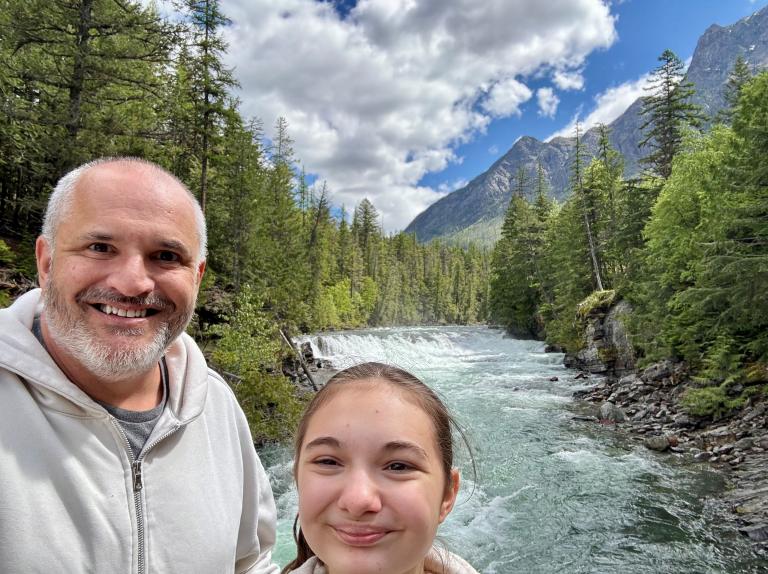
What can 30 destinations, seven national parks, and a six-month road trip teach us about the future of tourism? More than you'd expect. A reflection on travel, learning, hospitality, and the people who make destinations unforgettable.
When people heard I was driving from Sarasota, Florida, to Portland, Oregon, for the Destinations International Annual Convention, some assumed it was a long vacation in disguise.
They didn't realize that the journey would become one of the most meaningful learning experiences of my life—and perhaps an even more valuable one for my 14-year-old niece, who joined me as co-pilot.
Over six months, we traveled through more than 30 destinations represented by Destinations International members. We explored seven national parks. We stood beneath glaciers, climbed through volcanic landscapes, wandered rainforests, crossed deserts, and watched sunsets over lakes and mountain valleys.
We stayed on working ranches. We toured farms and breweries. We played miniature golf. We sampled local restaurants that reflected generations of culture and tradition.
For my niece, who completed portions of her hybrid online curriculum throughout the journey, geography was no longer a chapter in a textbook. It was standing at the edge of a canyon. Ecology wasn't a classroom lecture. It was hearing a park ranger explain wildfire recovery. Economics wasn't a worksheet. It was conversations with restaurant owners, hoteliers, ranchers, guides, and small business owners whose livelihoods help sustain their communities.
For me, the trip became something else entirely: a reminder of why tourism matters.
As CEO and co-founder of Learn Tourism, I spend much of my time helping destinations educate residents, frontline workers, travel professionals, and community stakeholders. Like many people in our industry, I often talk about tourism in terms of visitor spending, workforce development, community engagement, and economic impact.
Those things matter.
But somewhere between Florida and Oregon, I was reminded that tourism's greatest value may be far more human.
One stop that continues to stand out was Tulsa, Oklahoma.
I've admired Tulsa for years for its commitment to resident engagement through the Savvy Tulsa ambassador program, but experiencing the city firsthand revealed why it consistently punches above its weight class.
Our visit began over coffee and pastries, of course. It wasn't a formal presentation or strategy session. It was simply an opportunity to hear people talk about the city they love. That enthusiasm carried throughout the day as we explored one of the city's vibrant food halls, wandered streets lined with remarkable Art Deco architecture, and listened to stories that brought beautiful buildings to life.
What struck me wasn't just the architecture or the attractions.
It was the confidence.
Tulsa knows exactly who it is.
Its investment in educating residents isn't separate from its visitor experience; it's fundamental to it. When local people understand and celebrate their community, visitors don't simply receive directions or restaurant recommendations. They receive stories, context, and genuine hospitality.
A few days later, Kansas City reinforced that same lesson in a different way.
Conversations with the Visit KC team reminded me that destination organizations do far more than marketplaces—they help shape how communities see themselves. Their enthusiasm for Kansas City was contagious, and it echoed something we had been observing across the country: destinations that invest in educating residents and creating local advocates build stronger visitor experiences. Great attractions may inspire someone to visit once, but authentic conversations inspire them to return.
Whether we were exploring historic neighborhoods, meeting local business owners, or sharing meals together, the message was clear: visitors aren't transactions—they're guests.
It's easy to measure room nights, attendance, and visitor spending. It's much harder to measure how welcome someone feels. Yet that's often the feeling people remember long after they've returned home.
That spirit of community is one of the reasons I'm especially excited to reach Portland.
Travel Portland has invested in building one of the tourism industry's most impressive resident engagement initiatives through its Rose City Certified program, with more than 800 ambassadors, community members committed to sharing the city's stories and welcoming visitors. After spending six months experiencing how communities across North America bring hospitality to life, I'm looking forward to meeting some of those local champions and experiencing Portland through the people who know it best.
For someone who believes destinations are strongest when residents become advocates, Portland feels like the perfect place to conclude this journey.
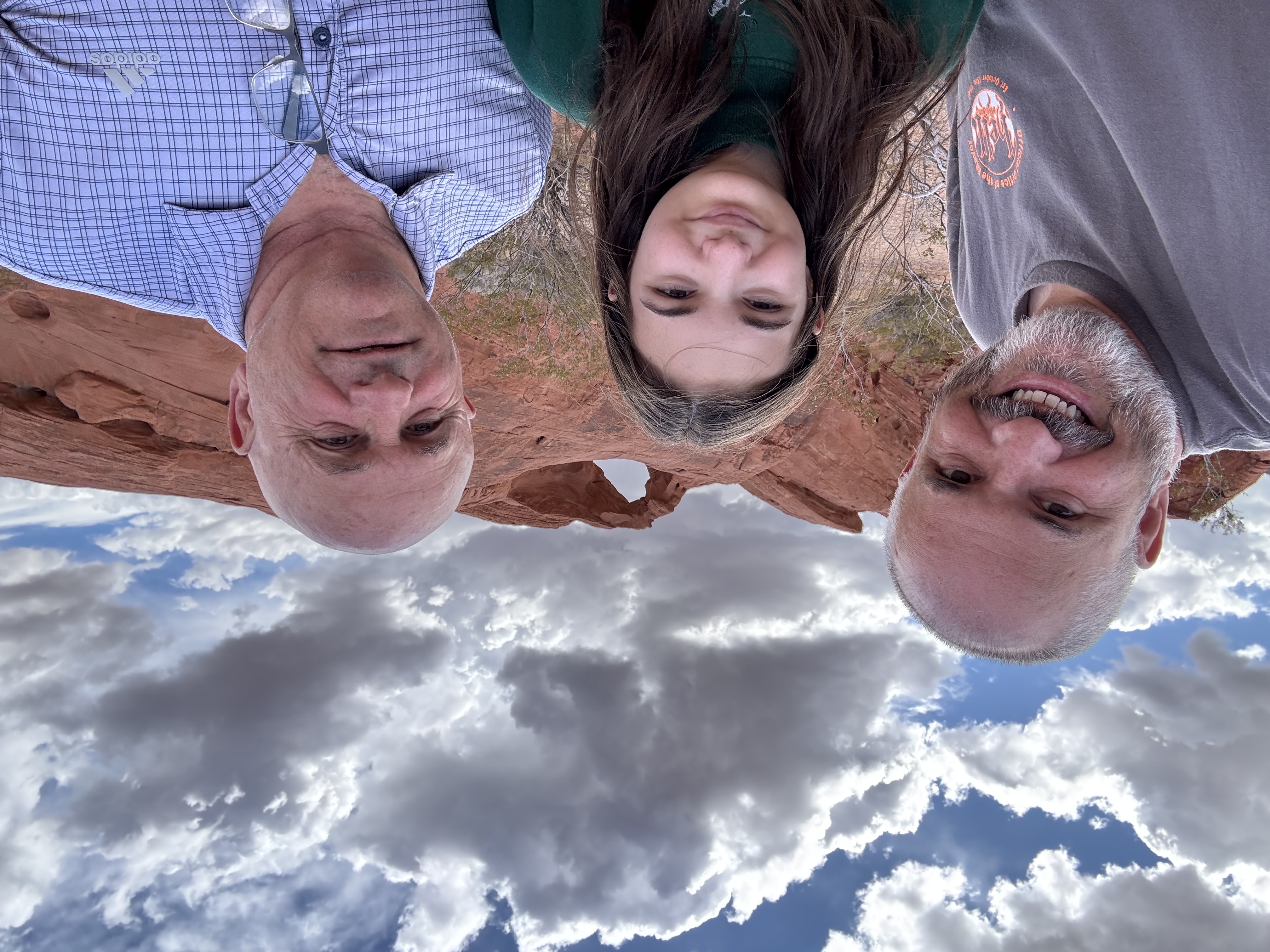
Another lesson came in Nevada's Valley of Fire State Park.
My uncle met us there, and three generations explored a landscape that seemed almost impossible to describe. Towering red sandstone formations glowed beneath the desert sun, each turn revealing another view that made us stop walking—not because we were tired, but because we simply needed to take it in.
I watched my uncle react with the same sense of wonder as my teenage niece.
It struck me that awe doesn't recognize age.
In tourism, we spend a great deal of time talking about visitor demographics, market segments, technology, and traveler behavior. Those conversations matter. But standing among rocks sculpted over millions of years reminded me that some experiences transcend every category we create.
Wonder and curiosity are universal.
Whether you're 14 or 74, moments like those have a remarkable way of putting life into perspective.
Throughout the journey, we stayed on working ranches, met farmers preserving generations of family traditions, explored parks protected by passionate stewards, and discovered that some of our favorite memories came from places we hadn't planned to visit at all.
My niece began keeping notes—not about famous landmarks, but about the people we met.
The baker who started work before dawn. The park ranger who could identify wildlife from tracks. The ranch owner who explained how tourism helps preserve open spaces. The server whose favorite local recommendation never appeared in a guidebook.
Those became the highlights of the trip.
For someone growing up in a world increasingly shaped by screens, algorithms, and artificial intelligence, the journey demonstrated the enduring value of human connection.
That's also one of tourism's greatest strengths.
Travel remains one of the few experiences that consistently places people face-to-face with perspectives different from their own. It builds empathy. It creates understanding. It encourages curiosity.
In a world that often feels divided, those outcomes may be more important than ever.
As we make our final miles toward Portland for the Destinations International Annual Convention, we'll have accumulated thousands of miles, hundreds of memories, and more bakery stops than either of us would publicly admit.
The road trip may be nearing its end, but one destination still awaits. I'm eager to experience Travel Portland's hospitality firsthand and meet some of the hundreds of Rose City Certified ambassadors whose enthusiasm for their city has already earned admiration throughout our industry.
But the most valuable takeaway wasn't a single destination. It was a realization.
Tourism is not simply about moving people from one place to another.
At its best, tourism helps people learn.
It teaches visitors about communities.
It teaches communities about themselves.
And occasionally, if you're lucky enough to spend six months on the road with a curious teenager, you learn something too.
Looking back, I don't remember the trip in terms of mileage or state lines. I remember the conversations over pastries in Tulsa, the warm welcome of the Richmond Region, the passion of the Visit KC team, the silence of standing beside my uncle in the Valley of Fire, the generosity of ranchers and restaurateurs, and the curiosity of a teenager discovering that every destination has something to teach.
Somewhere between Florida and Oregon, I realized that destinations don't simply create visitors.
They create students.
And the best destinations never stop teaching.
As our industry gathers in Portland to discuss the future of destination organizations, perhaps the most important lesson isn't about technology, marketing, or even visitation.
It's about people.
Because long after visitors forget the hotel room number or the route they drove, they'll remember how a destination made them feel—and who helped them feel that way.
That's the kind of tourism worth investing in.
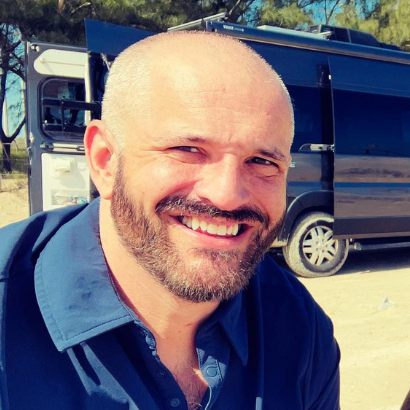
Stephen Ekstrom is the CEO & Co-founder of Learn Tourism, a nonprofit advancing the tourism industry through education and professional development. With 25+ years in tourism strategy, he specializes in adult learning, destination marketing, and workforce development. He holds certifications from Harvard, USF, and Brown in sustainability, leadership, and AI governance. A recognized thought leader, he partners with destination organizations to create training programs that drive economic growth. Stephen is also an active member of Skal International and the Association for Talent Development.
Share Your Expertise
Want Your Organization Featured Next?
The article you just read was written by someone like you. Submit a blog, case study or social media feature and get your organization's story in front of the DI community.
Join 50+ destination leaders who've shared their stories on the DI Blog