
Creative Ways to Get Media Attention as a Secondary Market Destination

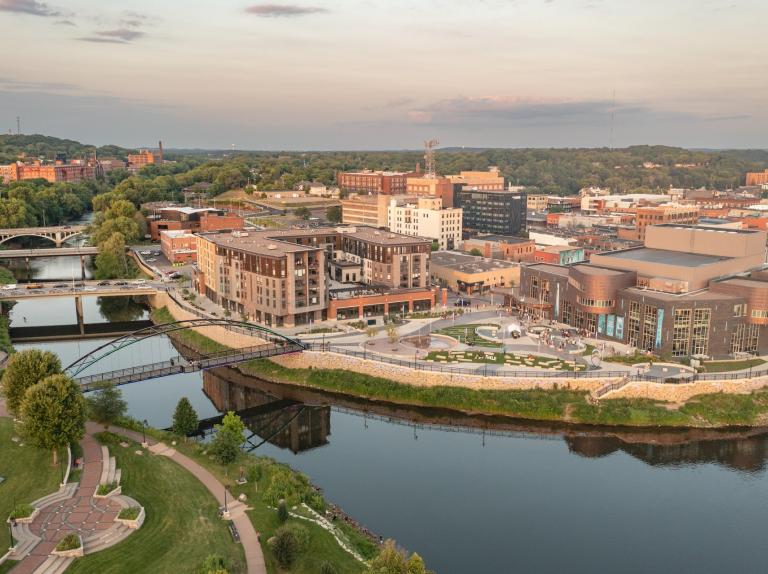
In the DMO world, you don’t need a Tier 1 budget to land Tier 1 coverage. While secondary markets (cities under 250k) may lack international notoriety, they win on authenticity and agility.
In the world of destination marketing, we often find ourselves looking up at the "giants": the cities whose names alone act as a global magnet for travelers and journalists alike. Not all of us can be in Las Vegas, New York City, or Paris. We might not even be in the same realm as Nashville or San Antonio. For many PR practitioners, the reality is a secondary market: a destination typically under 250,000 in population, often without a major international airport, and fueled primarily by regional drive markets. But here is the secret: What we lack in international fame and financial resources, we gain in deep-rooted knowledge and hyper-local connections. While we may not always be the cover story for Conde Nast Traveler, our work is just as meaningful, and our stories are often more authentic.
What is a Secondary Market Destination?
A secondary market is a smaller, emerging destination that sits outside major primary travel hubs. It might not be the largest or most famous city in its state, but it holds a ton of value for travelers seeking unique, "off the beaten path" experiences. Oftentimes, our greatest demographics are weekend travelers or day-trippers from larger nearby cities. Other times, we host something so niche or specialized that it creates an incentive for travelers to visit from across the country. Because our destinations haven’t been molded by mass tourism, we offer a genuine experience that modern travelers are craving. We have plenty to offer media outlets; sometimes we just have to be more creative in how we package it.
Below are four creative ways of securing earned media as a secondary market.
1. Pitching Your Destination for a Roundup
Oftentimes, our destinations offer an extremely unique experience. A restaurant on a farm or a secret speakeasy behind a hidden door. While these might not always sustain a full-page feature on their own, they are perfect for a roundup. Instead of leading with a single-subject pitch, try offering a journalist a "package deal": “The best speakeasies around the U.S.” or “10 unique farm-to-table experiences in the Midwest.” Want to make your story even more likely to be picked up? Source the examples of other destinations for the journalist yourself. By doing the legwork, you increase the odds of your destination being included and your story getting picked up.
Example: We pitched Leffel Roots Apple Orchard, a local favorite with a unique wheelchair-accessible picking deck, as part of a national roundup. By highlighting this specific, inclusive feature, we secured a placement in AARP, putting Eau Claire in front of a national audience looking for accessible travel.
2. Take Advantage of Regional Publications
While a National Geographic feature is the "North Star" for many PR practitioners (including myself), a feature in a regional publication often has a much higher ROI for getting "heads in beds." The strategic power of reaching a viewer in your direct target market is priceless. Once you identify where your travelers are coming from, reach out to the lifestyle and travel writers in those cities. Invite them for a "mini-FAM" or a hosted weekend getaway. Because these writers aren't always flooded with hosted stays like those in Tier 1 cities, they are often more responsive and eager to find a fresh story.
Example: Since Minneapolis is our largest drive market, we hosted a frequent contributor to the Star Tribune’s travel section for a weekend. The resulting feature, "Fall in Eau Claire: Art, dogs and dinner on the farm," spoke directly to our highest-ROI demographic.
3. Use Local Spokespeople
As a smaller DMO, sometimes our greatest competitive advantage lies in our hyper-personal relationships with local partners and champions. A standout example is Eau Claire native Eric Anderson, a true ambassador for our city. Eric is widely credited with introducing the Swedish lawn game of Kubb to Eau Claire and the broader Midwest. He founded the U.S. National Kubb Championship right here; an event that has grown into the second-largest tournament in the world. Eric’s infectious passion for both the sport and our community makes him a very effective storyteller for regional and national media.
Example: Eric Anderson officially proclaimed Eau Claire as the "Kubb Capital of North America." By including his passion and the story of the U.S. National Kubb Championship in our pitches, we landed a story in SportsTravel Magazine.
4. Activate Local Influencers
In PR, we can often obsess over social media influencer follower counts and engagement rates. However, we shouldn't overlook the local creators who already love our destination. While their ceiling for reach might be lower than a national influencer, their risk is low and their authenticity is high. Try hosting a "Media Night" or a mini-FAM for 3–7 local creators. Work with a local business to comp food or admission in exchange for a few deliverables, and there’s a great chance you’ll see a successful low-budget influencer campaign.
Example: When we activated local creators for brand-new Container Park in Altoona, we reached a highly engaged audience on a small budget, proving that you don't need a massive spend to make a big splash.
At the end of the day, PR in a secondary market isn’t about trying to be the loudest voice in the room; it’s about being the most resonant one. By leveraging our local legends, lean budgets, and regional ties, we can prove that "small" doesn't mean "insignificant." We may be secondary in size, but when it comes to storytelling, we are second to none.

Luke is currently the Senior Public Relations Manager at Visit Eau Claire and is in his 5th year with the organization. Luke works in various roles at Visit Eau Claire, including recruiting and executing media and influencer visits and partnerships. He also works closely with the marketing team, collaborating to develop creative campaigns that highlight the unique aspects of Eau Claire and drive visitors to the region. Growing up on the island of Crete, Greece, Luke returned to the U.S. and attended the University of Wisconsin-Eau Claire, where he studied journalism and marketing and graduated in 2021. In 2024, he was honored as one of Destinations International's 30 Under 30, recognizing his contributions to the tourism industry.
Share Your Expertise
Want Your Organization Featured Next?
The article you just read was written by someone like you. Submit a blog, case study or social media feature and get your organization's story in front of the DI community.
Join 50+ destination leaders who've shared their stories on the DI Blog